










Poultry farm lighting: a guide to LED lighting
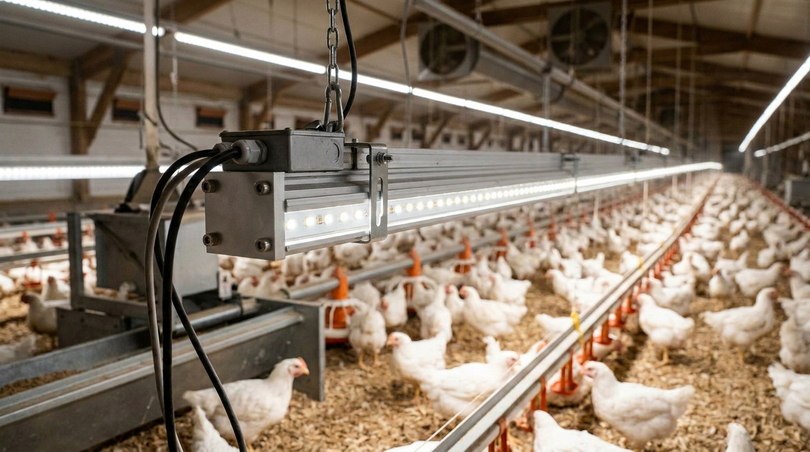
LED lighting for poultry farms is today the most efficient system to guarantee animal welfare, productivity, and energy savings. This Ledpoint technical guide analyzes spectrum, intensity, circadian dimming, European regulations, ROI, maintenance, and control technologies, with direct references to the poultry farm lighting products most suitable for broilers, layers, breeders, turkeys, and large-scale sheds.
Over the last ten years, lighting for poultry farms has undergone a radical transformation. We have moved from energy-hungry and poorly controllable incandescent and fluorescent systems to LED systems capable of replicating natural light conditions with surgical precision. Modern poultry farm lighting is no longer a cost: it is a productive investment. A correctly lit shed produces more eggs, healthier chickens, better feed conversion ratios, and a measurable reduction in aggressive behaviors among animals. In this in-depth guide, we will talk about poultry farm lighting systematically, starting from the visual biology of birds and arriving at the most advanced DMX and DALI-2 control protocols.
Those who manage a farm know that every technical decision has direct economic repercussions. The choice of poultry farm lighting affects the cost per kWh, the laying rate, daily weight gain, mortality, and the quality of the final product. For this reason, Ledpoint has developed a complete line of solutions for poultry farm lighting that integrates high-protection LED strips, waterproof aluminum profiles, Mean Well power supplies certified for the poultry sector, and Skydance controllers for circadian cycle management. Poultry farm lighting is today installed in hundreds of Italian and European facilities, from small family farms to large industrial supply chains.
This guide is designed for agricultural entrepreneurs, farm technicians, poultry company managers, and agri-food consultants. You will find measured data, comparison tables, regulatory references, and much more.
In this article...
1. Why poultry farm lighting is strategic
Poultry farm lighting is one of the three technical pillars of any modern livestock facility, along with ventilation and feeding. Underestimating poultry farm lighting means accepting productive losses that can exceed 15-20% of the farm's potential, especially in layer supply chains and high-density broilers.
When we talk about poultry farm lighting, we refer to the integrated set of light sources, control systems, automations, and management protocols that determine the quantity, quality, and distribution of light inside the shed. Every component of poultry farm lighting interacts with animal physiology in a measurable way.
Research published by Poultry Science and World's Poultry Science Journal over the last five years converges on one point: well-designed poultry farm lighting increases egg laying by 4-8%, reduces mortality by 10-15%, improves the feed conversion ratio (FCR) by 3-5 points, and decreases pecking injuries by 25-40%. These are numbers that alone justify the investment in next-generation poultry farm lighting.
The shift from 'any' light to precision light
Until the 2000s, poultry farm lighting basically consisted of hanging incandescent lamps or fluorescent tubes from the shed ceiling. The only parameter considered was the number of hours of operation. Today, poultry farm lighting is an autonomous lighting design discipline, with specific parameters: lux at animal level, CRI, CCT, flicker percentage, ripple, dimming curve, sunrise-sunset transition duration.
The transition from traditional poultry farm lighting to precision lighting was made possible by the technological maturation of LEDs. Only LEDs allow simultaneous control of intensity, spectrum, and timing with the precision required by the most advanced animal welfare protocols. For this reason, today when we talk about poultry farm lighting, we are almost always talking about LED poultry farm lighting.
Economic impact of poultry farm lighting
A 20,000-head broiler shed consumes about 8,000-10,000 kWh/year with traditional fluorescent poultry farm lighting. With LED poultry farm lighting, the same shed drops to 2,500-3,500 kWh/year. At €0.25/kWh, the direct savings are €1,500-1,800 per cycle, to which the avoided lamp replacement costs are added.
But the true economic impact of poultry farm lighting is not just in the electricity bill. It is in productivity: optimized poultry farm lighting is worth 0.8-1.2 more eggs per layer per year, or 80-120 eggs per 100 birds. On a 50,000-layer farm, precision poultry farm lighting generates 40,000-60,000 additional eggs, equal to €6,000-9,000 in extra annual margin.
Considering both factors, the payback of LED poultry farm lighting compared to traditional systems is typically between 18 and 30 months. For new facilities, where the initial cost differential between LED poultry farm lighting and fluorescent is marginal, the payback is practically immediate.
Animal welfare: the ethical and regulatory dimension
Poultry farm lighting is not just a matter of efficiency: it is a matter of welfare. Directive 2007/43/EC on broilers and Directive 1999/74/EC on layers establish minimum requirements for poultry farm lighting that include continuous dark periods, minimum lux levels, and uniform light distribution.
Poultry farm lighting that does not respect natural circadian rhythms generates chronic stress, abnormal behaviors (cannibalism, severe pecking), reduced immune response, and drop in production. Precision poultry farm lighting, on the contrary, is an active welfare tool: animals exposed to soft sunrise-sunset transitions and full-range spectrum show significantly lower corticosterone levels.
2. Visual biology of poultry and light perception
To correctly design poultry farm lighting, one must understand how birds see light, because their visual perception is radically different from ours. Poultry are tetrachromatic, they see in the near ultraviolet, perceive flicker up to 160 Hz, and have visual acuity and sensitivity to low luminance levels superior to humans.
This biological diversity explains why poultry farm lighting that appears good to the human eye can be terrible for the animals. The spectrum of a cheap fluorescent tube, for example, lacks the UVA component and shows a high-frequency ripple that birds perceive as an annoying stroboscope. High-quality LED poultry farm lighting eliminates both problems.
Tetrachromacy in birds
Poultry possess four types of retinal cones (red, green, blue, UV) compared to the human three. They therefore see a chromatically richer world. Poultry farm lighting that provides only the human visible spectrum (380-780 nm) does not fully stimulate the chickens' visual apparatus. The Sunlike strips used in high-end poultry farm lighting include a controlled UVA component that approximates natural sunlight.
Tetrachromacy has practical implications for poultry farm lighting: egg choice in the nest, recognition of conspecifics, foraging, and social hierarchy depend on chromatic signals that require a full spectrum. Narrow-band poultry farm lighting (cheap white LEDs with a dip in cyan) compromises all these behaviors.
Flicker sensitivity and critical fusion frequency
The critical flicker fusion frequency (CFF) in birds is about 120-160 Hz, compared to 50-60 Hz in humans. This means that a fluorescent tube powered at 50 Hz (which produces a 100 Hz flicker) is continuous for us, but a stroboscope for a chicken. Flicker-free poultry farm lighting according to IEEE 1789 standards eliminates this problem by using low-ripple DC drivers.
Studies published in Applied Animal Behaviour Science show that exposure to poultry farm lighting with perceptible flicker increases stress levels, reduces feed intake, and produces avoidance behaviors. For this reason, Ledpoint specifies the flicker percent and flicker index values according to IEEE PAR 1789-2015 for every one of its poultry farm lighting solutions.
Pineal gland and photoperiodism
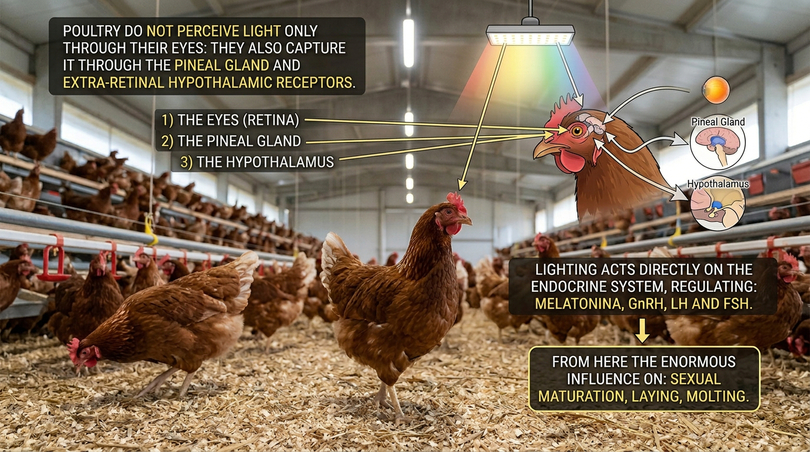
Poultry do not perceive light only with their eyes: they also capture it through the pineal gland and extra-retinal hypothalamic receptors. This means that poultry farm lighting acts directly on the endocrine system, regulating melatonin, GnRH, LH, and FSH. Hence the enormous influence of poultry farm lighting on sexual maturation, laying, and molting.
A one-hour variation in the photoperiod of poultry farm lighting can advance or delay the onset of laying by a week. For this reason, poultry farm lighting protocols for pullets include very precise increasing photoperiod curves, which can only be managed automatically with programmable control systems like Skydance or DALI.
3. Types of lighting: LED, fluorescent, incandescent
Historically, there have been three main families of sources for poultry farm lighting: incandescent, fluorescent (compact and tubular), and LED. To these are added, to a lesser extent, metal halide and sodium lamps for large outdoor spaces. Each has specific characteristics of efficiency, spectrum, controllability, and lifespan.
Today the technical consensus is clear: LED poultry farm lighting is superior in all relevant parameters. However, understanding the alternatives helps to correctly evaluate existing systems and plan informed retrofits. In this section, we analyze each of the technologies applied to poultry farm lighting.
Incandescence and halogens
Incandescent poultry farm lighting was the standard until the 1990s. Luminous efficiency 12-15 lm/W, CRI 100, full warm spectrum, native dimmability with triac. The downsides: 1,000-hour lifespan, enormous heat dissipation (90% of energy becomes heat), and mechanical fragility. In Europe, the sale of incandescent lamps for general use has been banned since 2012 (EC Reg. 244/2009), but they survive in some farms as emergency poultry farm lighting.
Halogens improve efficiency to 20-25 lm/W and bring lifespan to 2,000-4,000 hours, but remain marginal in modern poultry farm lighting due to the same thermal and energy limitations.
Tubular fluorescents and CFLs
T8 and T5 fluorescent tube poultry farm lighting dominated farms between 1995 and 2015. Efficiency 60-90 lm/W, lifespan 8,000-15,000 hours, low cost. The problems: presence of mercury, flicker perceptible by animals if the ballasts are ferromagnetic, sensitivity to low temperatures, 30% flux decay in the first half of the useful life.
Compact fluorescents (CFLs) are worse: effective lifespan in the humid and dusty environments typical of farms is often less than 5,000 hours. No poultry farm lighting designed today starts from CFLs: it is a superseded transition technology.
LED
LED poultry farm lighting offers 130-200 lm/W efficiency, L70 lifespan of 30,000-70,000 hours, continuous dimmability from 0.1% to 100%, spectrum control, instant ignition, no mercury, mechanical robustness. All biological and technical parameters of optimal poultry farm lighting require LEDs.
However, there are LEDs of very different quality. A cheap LED without a dedicated driver has 30% flicker, CRI 70, accelerated decay, and no color stability. An LED with controlled binning, Mean Well driver, and LightingLine dissipating profile guarantees flicker <1%, CRI>90, MacAdam Step 3, and real lifespan exceeding 30,000 hours. The difference in practical poultry farm lighting is abyssal.
Comparative table of technologies for poultry farm lighting
| Parameter | Incandescent | Halogen | Fluorescent T8 | CFL | Ledpoint |
|---|---|---|---|---|---|
| Efficiency (lm/W) | 12-15 | 20-25 | 60-90 | 50-70 | 130-200 |
| Lifespan (hours) | 1,000 | 2,000-4,000 | 8,000-15,000 | 5,000-10,000 | 30,000+ |
| CRI | 100 | 100 | 70-85 | 70-85 | 90-97 |
| Flicker | low | low | high (50-100%) | medium | <1% |
| Dimmable | yes | yes | limited | rare | 0.1-100% |
| Max IP rating | IP44 | IP44 | IP65 | IP44 | IP67/68 |
| Energy cost 10 years | very high | high | medium | medium | low |
The table shows why next-generation poultry farm lighting is almost exclusively LED: no other technology competes on flicker, lifespan, and controllability, the three most biologically relevant parameters.
4. Light spectrum and color temperature (CCT)
The spectrum is the most underestimated parameter of poultry farm lighting and at the same time the one with the greatest biological impact. Two lamps of the same power and same CCT can have completely different spectra and generate opposite physiological responses in animals.
In optimal poultry farm lighting, we work with variable CCT between 2700K and 6500K, CRI greater than 90, R9 (saturated red) greater than 50, and controlled presence of blue-violet and UVA components. All parameters that Ledpoint explicitly specifies in every data sheet of its strips for poultry farm lighting.
Recommended color temperature per production phase
In the first two weeks of broilers, poultry farm lighting uses warm 2700-3000K light that favors rest and food imprinting. From the third to the fifth week, it progressively moves to 4000K to stimulate activity and weight gain. In layers, poultry farm lighting uses stable 3000-4000K throughout the laying period, with possible variations during forced molting.
Poultry farm lighting with tunable white (CCT) technology allows these transitions to be managed automatically. Ledpoint dual-channel CCT strips cover the 2700K-6500K range with continuous mixing, controllable via Skydance, DALI, or DMX depending on the complexity of the poultry farm lighting system.
CRI and R9 in poultry farm lighting
The CRI (Color Rendering Index) measures the color fidelity of the source. For poultry farm lighting, a minimum CRI of 80, optimal 90+, is recommended. Ledpoint Sunlike strips reach CRI 97 with R9 greater than 90, replicating the solar spectrum with a precision that, at equal lux, measurably improves the feeding behavior of animals.
A low CRI in poultry farm lighting compromises the recognition of pelleted feed, conspecifics, and eggs in the nest. For this reason, in new welfare protocols, the minimum CRI of poultry farm lighting is contractually specified in supply chain specifications.
UVA component and full-range spectrum
The addition of UVA (315-400 nm) in poultry farm lighting simulates the solar spectrum and activates tetrachromatic vision. Studies on layers have shown that poultry farm lighting with UVA reduces feather pecking by 30% compared to the same system without UVA.
Strips used in high-end poultry farm lighting include a UVA component of 2-4% of the total flux, safe for operators and biologically significant for animals.
5. Light intensity: lux per animal category
The intensity of poultry farm lighting is measured in lux at animal height, not at the ceiling. This seemingly banal distinction is the cause of 70% of design errors: a shed with 100 lux measured at the ceiling can have 15 lux on the ground, where the chickens are. Poultry farm lighting is always designed with Dialux calculation or equivalent at the poultry work plane.
Target values depend on the species, production phase, and purpose (production, inspection, catching). The following table collects the reference values for poultry farm lighting recommended by scientific literature and supply chain guidelines.
Lux table per category
| Category | Phase | Recommended Lux | Notes |
|---|---|---|---|
| Broiler | 0-7 days | 30-40 | imprinting, feed foraging |
| Broiler | 8-21 days | 10-20 | progressive reduction |
| Broiler | 22-end | 5-10 | rest, growth |
| Pullets | 0-6 weeks | 20-30 | growth phase |
| Pullets | 7-18 weeks | 5-10 | maturation control |
| Layers | production | 10-20 | 30 lux in nests |
| Breeders | production | 30-60 | mating stimulation |
| Turkeys | finishing | 5-10 | aggressiveness reduction |
| Corridors/services | - | 100-200 | operator areas |
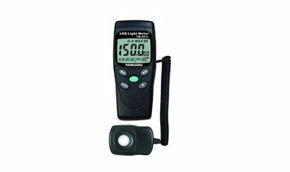
These values must be verified with a luxmeter at the end of the poultry farm lighting installation, repeating the measurements at 9-16 points in the shed to calculate uniformity (Emin/Emed) which should be greater than 0.7.
Uniformity and Dialux calculation of poultry farm lighting
The uniformity of poultry farm lighting is as important as the average value. Zones with 30 lux next to zones with 5 lux generate abnormal social stratification: dominant animals occupy the bright areas, others remain in the shade with consequences on access to feed and drinkers.
Poultry farm lighting is always sized with Dialux Evo or Relux, providing the farmer with a complete lighting design report with ground isolux lines, punctual values, calculated uniformity, and regulatory verification.
6. Time scheduling and circadian cycle
The photoperiod is the daily duration of active poultry farm lighting. It is the most powerful parameter for influencing poultry physiology: molting, laying, growth, sexual maturation respond directly to the number of hours of light.
Correctly programmed poultry farm lighting follows specific protocols per species and phase. It ranges from the 23L:1D of the first days of broilers to the 16L:8D of laying hens, up to the intermittent 4L:2D protocols used in some selection lines.
Photoperiod protocols for broilers
In modern broilers, poultry farm lighting uses programs that alternate initial continuous phases with phases of increasing darkness. Typical example: 23L:1D days 1-3, 18L:6D days 4-7, 16L:8D days 8-end of cycle. Continuous darkness of at least 6 hours is prescribed by Directive 2007/43/EC as the minimum welfare standard.
Incorrect programming of poultry farm lighting (e.g., continuous light 24L:0D) violates regulations, increases mortality from lameness and ascites, and worsens the FCR. Automatic control via Skydance or DALI-2 control unit eliminates the risk of human error.
Protocols for layers
Laying hens in production require poultry farm lighting of 14-16 hours a day, constant throughout the cycle. Even minimal variations (>15 minutes weekly) can induce laying drops of 2-5%. Poultry farm lighting programmed with astronomical precision via IoT controllers maintains regularity even in case of temporary blackouts thanks to backup batteries.
In the pullet rearing phase, poultry farm lighting follows a decreasing curve from 22 hours at hatching to 8-10 hours in the pre-laying phase, then rises to 14-16 hours stimulating the start of laying. This curve can only be managed with programmable controllers.
7. Logarithmic dimming and sunrise/sunset simulation
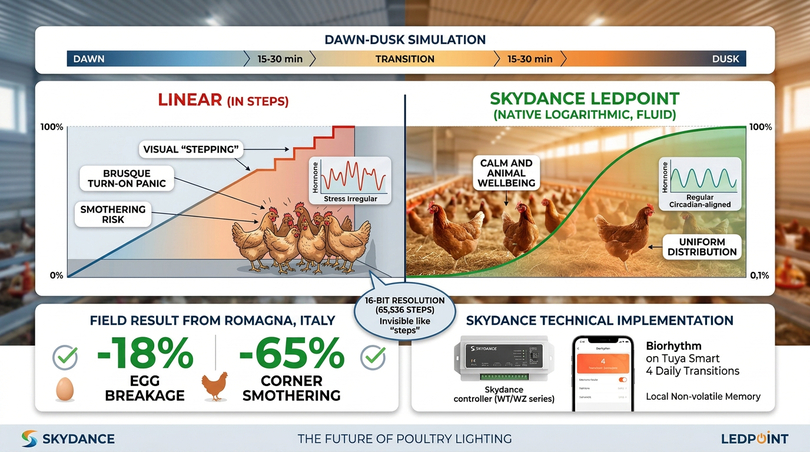
The eye perceives variations in brightness logarithmically, not linearly. A linear poultry farm lighting ramp from 0 to 100% appears jerky in the upper part. Ledpoint Skydance controllers use a native logarithmic curve: the transition is perceived as fluid by both humans and animals.
Sunrise-sunset simulation is the most requested function in modern poultry farm lighting. A 15-30 minute transition between darkness and maximum light avoids panic from sudden ignition (flighty behaviour) which causes injuries, suffocation in corners, and drops in production.
Technical implementation with Skydance
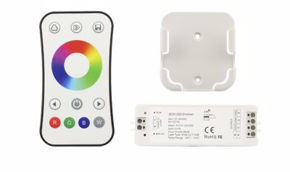
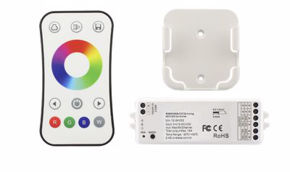
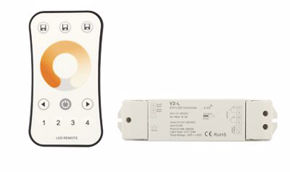
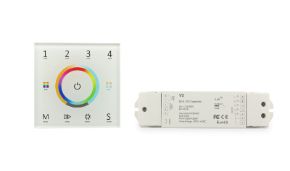
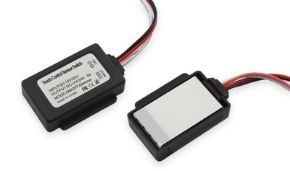
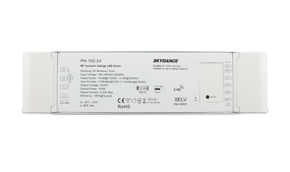
Skydance controllers WT series and WZ integrate the Biorhythm function: via the Tuya Smart app you can program up to 4 daily transitions with configurable duration from 1 to 99 minutes. Poultry farm lighting automatically follows the program, even without a network thanks to non-volatile local memory.
The dimming curve of Skydance poultry farm lighting covers the 0.1%-100% range with 16-bit resolution. This means 65,536 brightness steps: the transition is invisible as 'steps' and biologically equivalent to a natural sunrise.
Measured effects of circadian simulation
A test conducted on a layer farm in Romagna on 12,000 birds showed that switching from abrupt on/off poultry farm lighting to poultry farm lighting with a 20-minute ramp reduced egg breakage by 18% and decreased cases of suffocation in corners by 65% in the first three months.
8. Flicker-free: why it matters in poultry farm lighting
Flicker is the periodic variation of luminous flux. It is invisible to humans above 60 Hz but perceptible by birds up to 160 Hz. Flicker-free poultry farm lighting is therefore a specific requirement of the poultry sector, not just a comfort recommendation.
The reference standard is IEEE PAR 1789-2015 'Recommended Practice for Modulating Current in High-Brightness LEDs'. Ledpoint poultry farm lighting declares on the data sheet flicker percent <1% and flicker index <0.01, well within the 'no observable effect zone'.
How flicker is generated and how to eliminate it
Flicker in LED poultry farm lighting comes from driver ripple. Low-cost drivers with undersized capacitors let the 100 Hz of the mains pass to the DC output. Mean Well NPF and XLG drivers used in Ledpoint poultry farm lighting have ripple <1% thanks to active PFC stage and long-life capacitors.
A practical method to verify the flicker of poultry farm lighting in the field is to point a smartphone in slow motion mode at the light: if you see dark bands scrolling, the flicker is high and the system is not suitable.
9. IP protection ratings and ammonia resistance
The poultry shed is one of the most aggressive environments for any electrical system: relative humidity 60-85%, organic dust, ammonia vapors up to 25 ppm, water jets during sanitization. Poultry farm lighting must be designed to withstand all this for at least 10 years.
The minimum recommended protection degrees for poultry farm lighting are IP65 for strips and generic ceiling lights, IP67 for areas subject to direct washing, IP68 in some specific applications. But IP alone is not enough: chemical resistance to ammonia is needed, guaranteed by Parylene treatment or silicone.
Parylene treatment against ammonia
Ammonia attacks LED circuits, oxidizes contacts, yellows plastic materials. Parylene is a conformal-coating resin deposited in the vapor phase that protects the strip circuit without yellowing. The B52 series strips with Parylene are made for use in poultry farm lighting with high NH3 concentration.
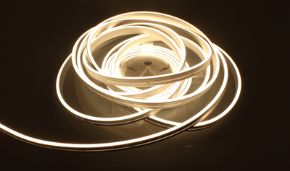
The solid silicone strips of the L52/LA2 series offer even superior mechanical and chemical protection: silicone is not attacked by ammonia, resists direct water jets during sanitization, and has a structural lifespan exceeding 15 years in farm poultry farm lighting.
10. LED strips for poultry farms
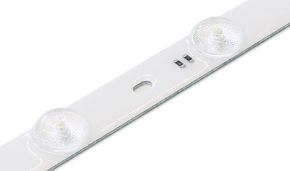
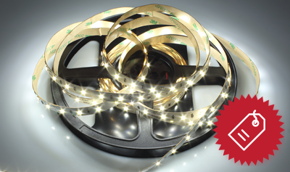
The heart of poultry farm lighting are LED strips. A modular, scalable solution, installable on aluminum profiles or directly in plastering, strips allow to realize continuous poultry farm lighting along the entire length of the shed with uniformity impossible to achieve with punctual ceiling lights.
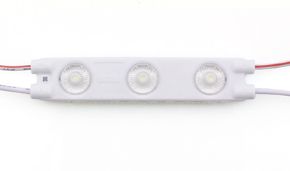
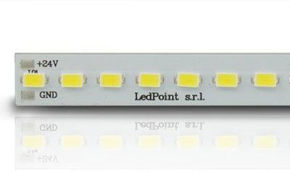
Ledpoint offers several families of strips optimized for poultry farm lighting: B52 with Parylene, L52 and LA2 in IP67 silicone, Sunlike with solar spectrum, CCT tunable white, Growing for targeted biological stimuli.
B52 series with Parylene treatment
B52 led strips are designed specifically for aggressive environments like poultry farm lighting. Parylene treatment on both sides, IP65 protection, flux up to 1,400 lm/m, CRI 90+, available in 2700K, 3000K, 4000K, 5000K, and 6500K.
The advantage of B52 in poultry farm lighting is the combination of low profile (5 mm thick) and high protection. It installs on standard profiles, maintaining a clean aesthetic even in exposed sheds.
L52 and LA2 series in IP67 silicone
The L52 and LA2 led strips are encapsulated in molded solid silicone. IP67 protection, resistance to UV rays, water jets, and ammonia. They are the standard choice for poultry farm lighting in intensive washing areas.
The L52 and LA2 are often used in the poultry farm lighting of layer cages, where proximity to animals and frequency of washing require maximum mechanical and chemical resistance.
Sunlike series with solar spectrum
Sunlike led strips replicate the solar spectrum with CRI 97 and controlled UVA component. They are the premium choice for poultry farm lighting of breeders and organic farms, where light quality is certified in specifications.
CCT tunable white series
Dual-channel CCT strips cover the 2700K-6500K range with continuous mixing. They allow in poultry farm lighting dynamic management of color temperature throughout the day and between production phases.
Growing series
The Growing strips with red and blue LEDs at selected wavelengths stimulate specific biological responses. In experimental poultry farm lighting, they are used for laying stimulation and molting synchronization protocols.
11. LightingLine aluminum profiles
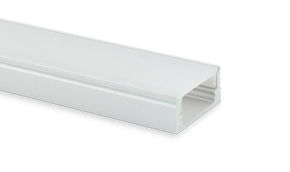
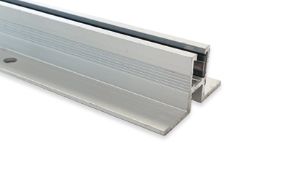
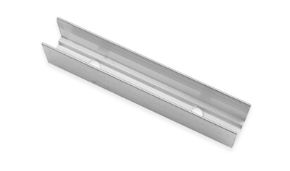
LED strips in poultry farm lighting are never installed bare. They must be housed in aluminum profiles that dissipate heat, protect them mechanically, and evenly distribute their light through diffusers. LightingLine is the line of Ledpoint profiles designed for maximum integration with strips.
Waterproof profiles PR-SL09 and PR-SL10
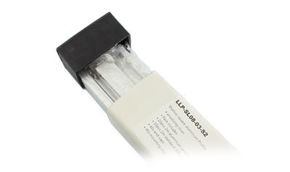
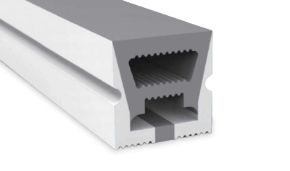
For poultry farm lighting with direct exposure to moisture, the PR-SL09 and PR-SL10 LightingLine profiles are used, designed to house silicone strips with IP67 seal. Opaque or satin diffusers eliminate the punctual effect typical of low-cost strips.
Recessed profiles PR-RE07 and PR-RE08
To integrate poultry farm lighting into the technical false ceilings of service rooms, the recessed profiles PR-RE07 and PR-RE08 are used. They allow flush-ceiling installation with front maintenance by opening the diffuser.
12. Mean Well NPF, PWM, XLG series power supplies
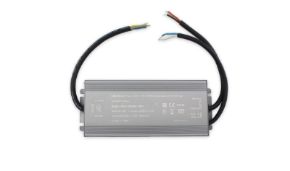
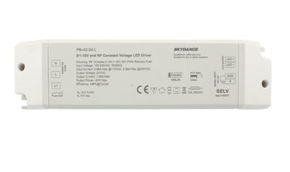
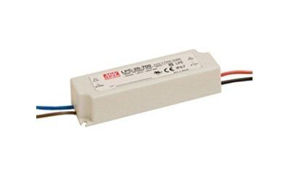
The power supply is the most critical component of poultry farm lighting after the strips. A cheap driver nullifies any quality LED: high flicker, ripple, decay, early failures. Ledpoint specifies Mean Well on all serious poultry farm lighting projects.
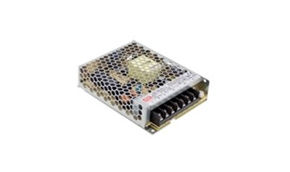
NPF series certified Poultry Lighting
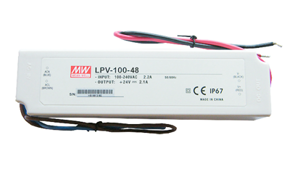
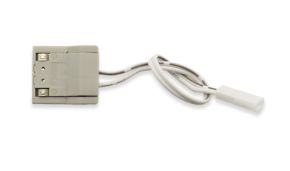
The Mean Well NPF series (NPF-60, NPF-90, NPF-120, NPF-200) features constant voltage and constant current modes, IP67 protection, dimmability via 1-10V, PWM, or resistor.
PWM series for digital control
The PWM-60/200 series provides high-frequency digital PWM output, guaranteeing flicker-free poultry farm lighting even in deep dimming (below 5%). It is the choice for DMX/DALI-2 systems where granular dimming is central.
XLG series for industrial plants
The XLG series offers efficiency up to 94%, protection against surges up to 10kV, 7-10 year lifespan in continuous operation. It is the reference power supply for poultry farm lighting in large sheds subject to power grid fluctuations.
13. Skydance controllers and DMX/DALI-2 protocols
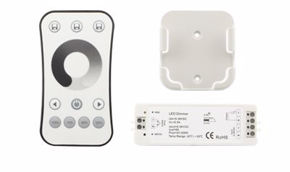
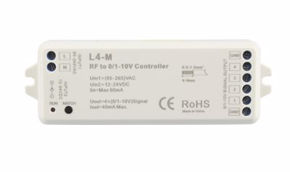
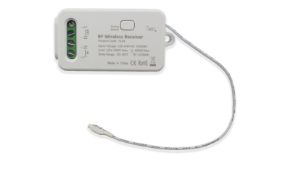
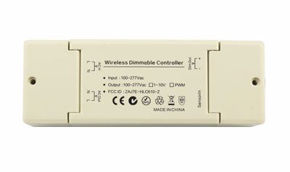
The management of large-scale poultry farm lighting requires professional protocols. Skydance produces the most complete range of controllers compatible with all industry standards: 0-10V, 1-10V, PWM, DALI-2, DMX512, Bluetooth Mesh, Zigbee, Tuya WiFi.
Skydance WT and WZ with Biorhythm
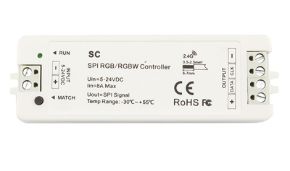
The WT series (Tuya WiFi) and WZ (Zigbee) controllers integrate the Biorhythm function for circadian cycle simulation. Programming via app, up to 8 scenes, integration with voice assistants. For small and medium poultry farm lighting, they are the fastest solution to implement.
DMX512 for complex systems
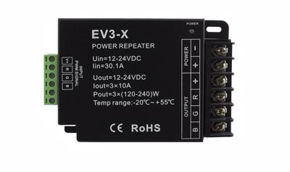
DMX512 is the standard protocol for architectural and stage lighting. In poultry farm lighting, it allows managing thousands of channels with a single control unit, perfect synchronization between zones, cinematic programming of transitions. Skydance offers dedicated DMX masters and T-series decoders for DMX-PWM conversion.
DALI for building integration
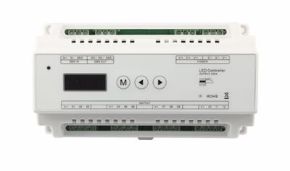
DALI is the BMS-friendly protocol. In poultry farm lighting integrated with shed management systems (ventilation, feeding, egg collection), DALI is the natural choice because it speaks the same language as the other subsystems.
WP series IP67 controllers
For installation in an aggressive poultry environment, the Skydance WP series (V1-WP, V4-WP) offers IP67 on the controller itself, eliminating the need for dedicated technical panels.
14. Lighting for layer cages and aviaries
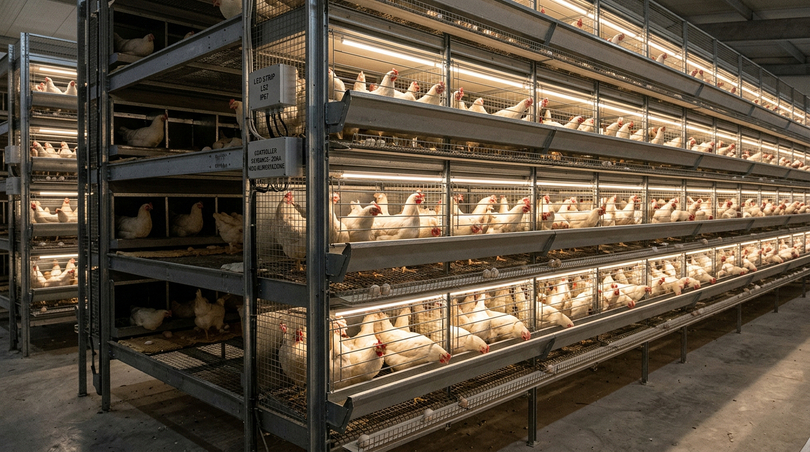
LED poultry farm lighting for layer cages is one of the most technical applications in the sector. Enriched cages (EU enriched cages) and multi-tier aviaries require uniform light distribution over 3-8 superimposed levels, with specific lux values on the nests.
LED strips on every floor of the cage
The most effective LED poultry farm lighting for layer cages provides for LED strips installed under each floor of the structure, illuminating the floor below. IP67 silicone L52 strips are used, powered by Mean Well NPF drivers distributed along the battery.
In poultry farm lighting for aviaries and layer cages with LED strips, it is necessary to guarantee uniformity >0.7 even on the lower rows, where with traditional ceiling lights it dropped below 5 lux with consequent anomalous concentration of laying on the upper floors.
Differential lighting of nests
Nests must be darker (5-10 lux) than the feeding area (15-25 lux) to stimulate protected laying. Poultry farm lighting uses multi-zone Skydance controllers to manage the two areas independently.
15. Lighting for broilers
LED poultry farm lighting for broiler rearing is regulated by Directive 2007/43/EC which requires at least 20 lux average over 80% of the usable area and a total dark period of at least 6 consecutive hours every 24 hours.
Light protocol for high-performance broilers
The standard poultry farm lighting protocol for broilers in Ross 308 and Cobb 500 lines provides: days 1-3 with 23L:1D at 30-40 lux, days 4-7 with 18L:6D at 20 lux, days 8-end with 16L:8D at 5-10 lux. All these transitions are managed automatically via Skydance.
Typical distribution in the shed
For a typical 100m x 15m broiler shed, 4 -6 longitudinal rows of Ledpoint B52 or L52 strips mounted at 3-4 meters in height, spaced every 2.5-3 meters are used. Typical installed power: 3-5 W/m². Poultry farm lighting sized in this way reaches the initial 30-40 lux with a dimming margin up to 100%.
16. Lighting for breeders and roosters
Breeders require more intense poultry farm lighting (30-60 lux) to stimulate sexual behavior, fertility, and semen quality. The Sunlike spectrum with UVA gives the best results in this category, with measured fertility increases of 3-5%.
Specific light programs for breeders
Broiler breeders follow poultry farm lighting protocols similar to pullets in the growth phase, then move to 14-16 hours of light in production. The transition must be gradual, with weekly increments of 30 minutes, managed automatically by a programmable control unit.
17. Lighting for turkeys, ducks, and geese
Poultry farm lighting does not only concern chickens. Turkeys, ducks, geese, guinea fowl, quails have specific needs. Turkeys require more space and moderate lux (5-10) in finishing to reduce aggressiveness. Ducks tolerate higher humidity and need IP67 silicone strips.
Turkeys
Poultry farm lighting for turkeys uses CCT 3000-4000K, 5-10 lux in finishing, prolonged dark periods (8-10 hours) to limit cannibalism. L52 or B52 strips on LightingLine profiles at higher heights (4-5 meters) for uniformity on tall sheds.
Ducks and geese
Poultry farm lighting for ducks requires mandatory IP67 due to high surface humidity. Ledpoint LA2 silicone strips, waterproof profiles, and IP67 drivers are used. Recommended lux 10-15, spectrum 3000K.
18. Poultry sheds: lighting design
LED poultry farm lighting for poultry sheds is designed following a specific workflow: geometric survey, definition of functional areas, lux calculation with Dialux, product selection, electrical sizing, control scheme, technical specification, testing.
Dialux for poultry shed lighting
Every Ledpoint project for poultry shed poultry farm lighting starts from a 3D Dialux Evo model of the building with real reflectances (poultry floor 20%, walls 40%, ceiling 60%). The fixtures are positioned and average lux, Emin/Emed uniformity, and UGR are verified.
Typical electrical diagram
A 1,500 m² poultry shed typically requires 6-8 circuits of poultry farm lighting powered by distributed Mean Well drivers, grouped by zone, controlled by a Skydance master and DMX or DALI slave control unit. Cable sections 1.5-2.5 mm², HF PVC conduits.
19. Outdoor LED lighting for farms
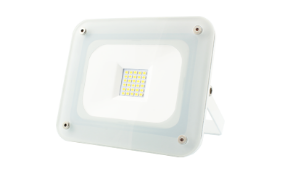
Outdoor LED poultry farm lighting concerns yards, internal roads, loading areas, perimeter fences. IP66 LED floodlights with street optics are used, controlled by photocells and astronomical timers. Ledpoint has dedicated floodlights for these applications.
Floodlights for yards
50-150W IP66 floodlights with asymmetric street optics, CCT 4000K, CRI 80+. Installation on 6-8 meter poles every 25-30 meters. Outdoor poultry farm lighting is fundamental for operator safety and surveillance cameras.
Emergency lighting
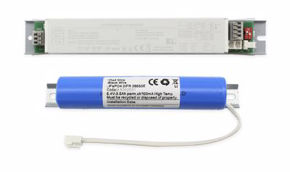
Emergency poultry farm lighting in poultry sheds is mandatory. Autonomous lamps with NiMH battery guarantee 1-3 hours of autonomy with regulatory minimum levels for escape routes.
20. European and Italian regulations
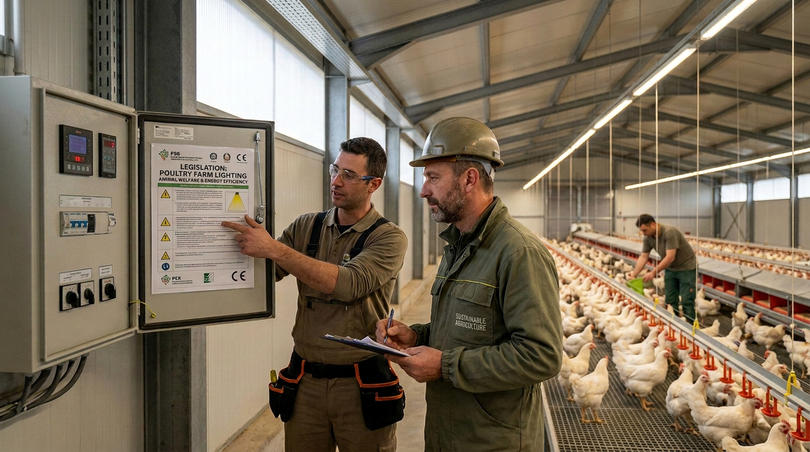
Poultry farm lighting is regulated by a regulatory framework that combines directives on animal welfare, general lighting technical standards, and specific product regulations. Knowing them is essential to avoid penalties and to participate in RDP calls and supply chain contracts.
Directive 2007/43/EC broilers
For broilers, Directive 2007/43/EC requires at least 20 lux over 80% of the area, a dark period of 6 consecutive hours of which 4 uninterrupted, recording of the light program. Poultry farm lighting must be documented and inspectable.
Directive 1999/74/EC layers
For layers in enriched cages or alternative systems, an adequate light-dark rhythm and a continuous dark period are required. Poultry farm lighting must be uniform and adjustable.
IEEE PAR 1789-2015 on flicker
International technical standard that defines acceptable flicker thresholds for LED poultry farm lighting.
UNI EN 12464-1
General standard on lighting for indoor work environments. It applies to the operational spaces of farms (corridors, egg rooms, warehouses) with minimum lux levels and UGR.
21. Energy savings and ROI calculation
The investment in LED poultry farm lighting is typically recovered in 18-30 months thanks to energy savings, reduced replacements, and increased productivity. In this section, we calculate the ROI on a real case.
ROI case study: 20,000-head broiler shed
| Item | Fluorescent | LED |
|---|---|---|
| Installed power | 3,500 W | 1,100 W |
| Annual consumption | 9,200 kWh | 2,900 kWh |
| Energy cost (€0.25/kWh) | €2,300 | €725 |
| Annual replacements | 120 lamps | 0 |
| Replacement cost | €900 | €0 |
| Total annual | €3,200 | €725 |
| Annual savings | - | €2,475 |
| Initial investment | €0 | €5,500 |
| Payback | - | ~26 months |
To this is added the improvement in FCR and mortality typically associated with quality poultry farm lighting: the actual payback drops to 15-20 months.
22. Maintenance, sanitization, and L70 lifespan
The lifespan of poultry farm lighting is measured as L70: the time within which the luminous flux drops to 70% of the initial value. For strips with Mean Well drivers, L70 is declared at 30,000-70,000 hours, equivalent to 10-15 years in poultry farm lighting.
Compatible sanitization protocols
IP67 poultry farm lighting resists sanitization with 80 bar pressure water at 1 meter distance, alkaline detergents up to pH 12, quaternary ammonia-based disinfectants, and oxidants. Always verify chemical compatibility with the data sheet.
Preventive maintenance
Annual visual inspection, lux measurement with luxmeter every 2 years, diffuser cleaning, verification of electrical connections, dimming function tests. Regular preventive maintenance extends the useful life of poultry farm lighting beyond 15 years.
23. Smart technologies, IoT, and sensors
Smart poultry farm lighting integrates luminance, presence, NH3, temperature, and humidity sensors. IoT control units adapt the luminous flux in real time to environmental conditions, optimizing consumption and welfare.
Natural light sensors
External sensors measure sunlight and the poultry farm lighting systems adapt: in windowed sheds, artificial lighting only integrates the deficit compared to the target, saving up to an additional 30% of energy.
Integration with farm BMS
Fancom, Big Dutchman, Tuffigo Rapidex control units can send and receive DALI/DALI-2 commands to Skydance controllers, integrating poultry farm lighting into the global shed management system.
24. Ledpoint case studies
We report three real cases of poultry farm lighting installed in 2023-2025 in Italian farms, with measured data on savings and productive impact.
Romagna layer farm, 50,000 birds
Complete replacement of fluorescents with B52 strips + Mean Well NPF + Skydance WZ. Measured energy savings: -71%. Laying increase: +2.3% annually. ROI 22 months.
Lombardy broilers, 4 sheds of 25,000 birds each
Installation of poultry farm lighting with silicone L52 strips, DMX512 with Skydance master, 20-minute sunrise/sunset simulation. Reduction in lameness -28%, reduction in mortality in the last 7 days -15%.
Marche turkeys, 12,000 birds
Sunlike CRI 97 strips with UVA, customized poultry farm lighting protocols. Reduction of feather pecking by 41%, average weight increase +1.8%.
25. Common mistakes in poultry farm lighting
Let's see the 10 most frequent mistakes we encounter in appraisals of existing poultry farm lighting systems.
Design errors
There are errors that are often made during the design phase, namely:
- Measuring lux at the ceiling instead of the ground.
- Underestimating surface reflectance.
- Not considering flux decay.
- Non-uniformity greater than 0.5.
- Lack of sunrise/sunset transition in poultry farm lighting.
Product selection errors
In addition to design errors, one often incurs those from an erroneous selection of lighting systems, namely:
- Drivers without flicker declaration.
- IP20 strips in IP65 areas.
- Lack of ammonia protection.
- CRI lower than 80.
- Absence of dimmability in poultry farm lighting.
26. Pros and cons of LEDs vs other lamps
A summary of the pros and cons of LEDs in poultry farm lighting compared to fluorescents and incandescents.
Pros of LEDs in poultry farm lighting
Efficiency 130-200 lm/W, lifespan 50,000+ hours, spectrum control, dimmability 0.1-100%, flicker-free, no mercury, mechanical robustness, instant ignition, low heat. All net advantages for poultry farm lighting.
Cons of LEDs
Higher initial cost, sensitivity to surges if drivers are poor quality, very variable quality on the market. All disadvantages that are neutralized by choosing certified branded products for poultry farm lighting.
27. Chicken coop accessories and small farms
Poultry farm lighting does not only concern industrial farms. Even small family coops benefit from dedicated LEDs, WiFi controllers, and specific accessories. Ledpoint offers dedicated kits for small coops.
Coop lights and lights for family chickens
For family coops of 10-50 birds, kits with 2-5 meters of Ledpoint L52 strips, Mean Well NPF-60 power supply, and Skydance WT WiFi controller are used. The poultry farm lighting realized in this way costs €150-350 and lasts 10+ years.
Lamps for ornamental bird breeding
For breeding canaries, parrots, ornamental pheasants, Sunlike strips are used to recreate the solar spectrum necessary for reproduction in captivity.
28. Future of poultry farm lighting
The future trends of poultry farm lighting are: AI integration for dynamic optimization, customized spectrum per genetic line, multispectral sensors to monitor welfare in real time, integration with photovoltaics.
AI and machine learning
Machine learning algorithms analyze behavior, vocalizations, and movement to regulate poultry farm lighting in real time. Manufacturers are experimenting with IoT platforms with integrated video sensors for adaptive optimization.
Photovoltaics + LED
LED poultry farm lighting consumes so little that it can be powered entirely by self-consumption photovoltaic systems. Ideal combination for new zero-operational-emission sheds.
29. Design checklist
A synthetic checklist to correctly set up the poultry farm lighting of a new farm or a retrofit.
The 15 items of the checklist
Before starting to design a lighting setup for a poultry farm, it is good to keep the following points in mind:
- Species and category.
- Animal density.
- Shed geometry.
- Surface reflectances.
- Target lux on the ground.
- Target uniformity.
- Required CCT.
- Minimum CRI.
- Max flicker.
- Required IP.
- Ammonia resistance.
- Photoperiod protocol.
- Sunrise/sunset transitions.
- BMS protocol.
- Testing specification.
Each item of the checklist must be filled out before issuing the poultry farm lighting order to be presented to the installer, retailer, or manufacturer.
30. Deep dive: extra-retinal photoreceptors and the impact of poultry farm lighting
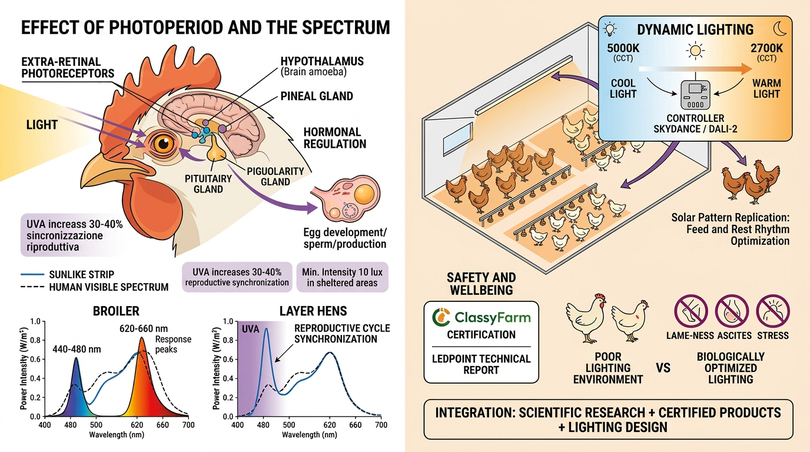
One of the most relevant discoveries in avian chronobiology of the last twenty years concerns extra-retinal photoreceptors, i.e., light-sensitive cells located in the hypothalamus, pineal gland, and deep brain of birds. These cells perceive light through the thin skull and directly regulate hormone production. For this reason, poultry farm lighting influences animal physiology even when the animal has its eyes closed.
In broilers, the photosensitive cells of the hypothalamus respond above all to red wavelengths (620-660 nm) and deep blue (440-480 nm). Poultry farm lighting that includes these spectral components acts more directly on growth mechanisms than poultry farm lighting that limits itself to covering the human visible spectrum. Ledpoint Sunlike strips, thanks to the full-range spectrum, simultaneously activate retinal and extra-retinal photoreceptors, maximizing the biological effect of poultry farm lighting.
In layers, the role of extra-retinal photoreceptors is even more marked: they stimulate the hypothalamic-pituitary-gonadal axis and regulate the release of LH and FSH. For this reason, poultry farm lighting for layers in production must maintain an intensity not lower than 10 lux even in the most sheltered areas, because the light must reach the animal's head even in a squatting posture.
The UVA component present in Sunlike strips is particularly effective on extra-retinal activation. Studies by the University of Bristol and the Roslin Institute have shown that poultry farm lighting with UVA increases the synchronization of the reproductive cycle in laying hens by 30-40% compared to the same system without UVA. This data justifies the additional investment in Sunlike strips for farms operating in intensive or certified organic regimes.
From a practical point of view, the farmer who designs new poultry farm lighting should request the complete spectral curve (SPD - Spectral Power Distribution) of the source from the supplier. A flat SPD curve in the 400-700 nm spectrum with controlled UVA presence guarantees poultry farm lighting that is biologically active on all poultry species.
Another little considered aspect of poultry farm lighting concerns the effect of color temperature on the internal clock. Cold light (5000-6500K) rich in blue inhibits melatonin, keeping the animal active. Warm light (2700-3000K) poor in blue favors rest. Dynamic poultry farm lighting that starts the day with 5000K CCT and ends with 2700K replicates the solar pattern and optimizes feeding and resting rhythms. This management is only possible with tunable white CCT strips driven by Skydance or DALI-2 controllers.
In the context of modern genetic selection, where fast-growing broilers are particularly sensitive to stress, biologically optimized poultry farm lighting is not a luxury but a sustainability requirement. Losses from lameness, ascites, and sudden death are directly correlated to the quality of the lighting environment. Investing in precision poultry farm lighting means investing in quantifiable welfare.
For farms intending to certify according to higher welfare standards (Better Chicken Commitment, Welfare Quality, ClassyFarm), poultry farm lighting is one of the main control points. The guidelines require minimum lux levels, dark periods, progressive transitions, and in some cases even minimum CRIs. Documenting poultry farm lighting with a Ledpoint technical report facilitates obtaining certifications.
There is also an emerging line of research on the use of pulsed poultry farm lighting at biological frequency. This involves delivering light in high-frequency cycles (1-10 kHz) modulated with patterns that mimic the typical leaf-sun flicker of natural environments. These technologies are still experimental but could represent the next qualitative leap in poultry farm lighting.
In summary, modern poultry farm lighting is no longer an energy efficiency choice: it is an applied biological discipline. There is therefore a need to integrate scientific research, certified products, and lighting design into a single ecosystem for next-generation poultry farm lighting.
31. Detailed regulatory deep dive on poultry farm lighting
The regulatory framework governing poultry farm lighting is articulated and constantly evolving. It consists of European directives on animal welfare, harmonized technical standards, national regulations, and private supply chain guidelines. Knowing the complete framework is essential for entrepreneurs, technicians, and consultants in the sector.
Directive 2007/43/EC: minimum requirements for broilers
The directive sets binding minimum requirements for the protection of chickens kept for meat production. As regards poultry farm lighting, it provides for: light intensity of at least 20 lux during light periods, measured at the height of the animal's eye, over at least 80% of the usable surface. It also requires a dark period of at least 6 consecutive hours in 24 hours, with a single interruption of darkness of at least 4 hours. Poultry farm lighting must be documented in a register accessible to the control authorities.
The directive also imposes the presence of an emergency poultry farm lighting system and provides for derogations from the lux requirements only in the first 7 days of life and in the last 3 days before slaughter. Failure to comply results in administrative sanctions and exclusion from conditional CAP aid.
Directive 1999/74/EC and subsequent amendments: layers
The directive on layers imposes poultry farm lighting requirements differentiated by rearing system (enriched cages, alternative systems, free-range, organic). In general, it requires poultry farm lighting with sufficient dark periods, uniform distribution, and the possibility of adjustment. Supply chain guidelines often go beyond the legal minimum, specifying poultry farm lighting CRI>80, controlled flicker, and sunrise/sunset simulation.
Regulation (EC) No. 1099/2009 on protection at the time of killing
The regulation also applies to poultry farm lighting in the catching and loading areas. It provides for dimmed or blue light during catching to reduce stress. Ledpoint strips with deep dimming and CCT change allow passing in a few minutes from productive light to catching light, reducing bruises and improving meat quality.
IEEE PAR 1789-2015: flicker management
International technical standard that classifies the flicker of poultry farm lighting into three zones: "no observable effect" (safe), "low risk" (acceptable), "above recommended limits" (not recommended). For Ledpoint poultry farm lighting, "no observable effect" compliance is specified with a flicker percent of less than 1%. The standard is particularly relevant for the poultry sector given the high CFF of birds.
UNI EN 12464-1 for operational areas
The general standard on lighting for indoor work environments applies to the operational areas of the farm (egg rooms, warehouses, technical rooms, service corridors). It prescribes minimum lux (200 lux for general activity, 500 lux for inspection), maximum UGR, minimum uniformity. Poultry farm lighting for these areas must be sized separately from that of housing.
Regulation (EC) No. 1107/2009 and plant protection products
Indirectly relevant to poultry farm lighting: some periodic disinfections require plant shutdown. IP67 silicone strips resist the most aggressive products in the sector, reducing downtime and the costs of covering poultry farm lighting.
Private supply chain guidelines
The main Italian poultry integrators (Amadori, Aia, Fileni, Veronesi) have internal guidelines that specify for poultry farm lighting requirements often higher than the legal minimum: minimum CRI, declared flicker, sunrise/sunset simulation, supplier certification. Ledpoint actively participates in certified supply chains by providing poultry farm lighting compliant with the most stringent specifications.
RDP calls and public funding
Several Italian regions finance the efficiency improvement of poultry farm lighting in farms through Rural Development Programs (RDP). Typical calls cover 40-70% of the investment for certified LED systems. It provides the technical documentation necessary for participation in calls.
Relevant product certifications
Quality poultry farm lighting must be supported by certifications: CE, ENEC, RoHS, REACH, IP rating verified by a third party, flicker declaration, IES/LDT photometric data sheet. Ledpoint provides the complete dossier on request for every product in the poultry farm lighting line.
Traceability and registers
The farmer must keep poultry farm lighting records: time schedule, measured lux levels, maintenance performed, component replacements. Skydance systems with Tuya cloud automatically generate downloadable logs, simplifying compliance.
32. Complete workflow for poultry farm lighting design
Realizing effective poultry farm lighting requires a structured process. Improvising almost always means wasting investments and generating non-uniformity. We therefore suggest applying a nine-phase workflow that we describe here in detail.
Phase 1: geometric and contextual survey
We start from the metric survey of the shed: length, width, useful height, presence of beams, position of fans, drinkers, feeders, nests. The reflectance of the surfaces (floor, walls, ceiling) is also detected, which affects the efficiency of poultry farm lighting by up to 25%. A white ceiling with 70% reflectance allows using less installed power compared to a gray one at 30%.
Phase 2: definition of functional areas
The areas in the shed are identified: housing, nests, feeders, drinkers, corridors, human zone, catching zone. Each zone has specific poultry farm lighting requirements. Zonal design of poultry farm lighting allows correctly sizing power and control.
Phase 3: definition of the lighting target
For each zone, target lux, target uniformity, CCT, minimum CRI, max flicker are set. These parameters form the "lighting specification" of poultry farm lighting that guides all subsequent choices.
Phase 4: product selection
Strips, profiles, drivers, and controllers compatible with the specification are selected. The technical data sheet is verified for each product and the expected decay at the end of the useful life of poultry farm lighting is calculated.
Phase 5: Dialux Evo calculation
The 3D model of the shed is built in Dialux Evo, the fixtures with IES files provided by Ledpoint are inserted, lux, uniformity, UGR are calculated. The position of the fixtures is iterated until the poultry farm lighting specification is met.
Phase 6: electrical sizing
Poultry farm lighting is divided into circuits, cables and protections are sized according to CEI 64-8, Mean Well drivers are positioned in zone cabinets, UPS or generators are provided for the continuity of poultry farm lighting in case of blackouts.
Phase 7: control scheme
The control scheme is defined: number of dimming zones, protocol (1-10V, PWM, DALI-2, DMX512), master and slave control units, BMS integration. The control scheme is the "operational center" of poultry farm lighting.
Phase 8: specification and bill of materials
The complete technical specification of poultry farm lighting is issued with a list of materials, diagrams, installation methods, and testing instructions. The specification is the reference contractual document.
Phase 9: testing and validation
At the end of the installation, testing is performed: lux measurement at 16 points, uniformity verification, dimming test, time schedule test, flicker verification with instrument. Validation confirms the compliance of poultry farm lighting to the specification and activates the warranty.
This nine-phase workflow should be applied to all medium and large poultry farm lighting projects. For small family coops, a simplified three-phase version applies (survey - kit selection - installation).
The advantage of a structured workflow is the predictability of the result. The farmer knows in advance the lux they will obtain, the annual consumption, the expected ROI. Poultry farm lighting ceases to be a gamble and becomes a programmed investment.
33. Complete life cycle of poultry farm lighting
To correctly evaluate the investment in poultry farm lighting, the entire life cycle must be considered: from purchase to installation, from ordinary maintenance to end-of-life. In this chapter, we analyze every phase.
Purchase phase
The purchase of poultry farm lighting is preceded by design and specification. The typical initial cost for a standard 1,500 m² broiler shed is €3,000-8,000 depending on complexity. There are modular solutions on the market that allow starting with a limited budget and expanding poultry farm lighting over time.
Installation phase
Professional installation of poultry farm lighting requires 2-5 man-days for a typical shed. It includes profile assembly, strip fixing, driver wiring, controller programming, testing.
Operation phase (years 1-3)
In the first three years, poultry farm lighting only requires periodic visual inspections and cleaning of the diffusers during the sanitary void. Consumption is stable, dimming functions operate at maximum efficiency. It is the phase of maximum return on investment.
Operation phase (years 4-7)
Between the fourth and seventh year, the first flux decay (10-15%) manifests. Poultry farm lighting automatically compensates by raising the dimming level. Consumption grows by a few percentage points, biological performances remain intact.
Operation phase (years 8-12)
In this phase, L70 is reached: the flux drops to 70% of the nominal value. Poultry farm lighting is still fully functional, but partial replacement evaluation is recommended to maintain high compensation margins. Some components (drivers) may begin to require replacement.
End-of-life phase
Between the tenth and fifteenth year, poultry farm lighting reaches the end of its life. LED strips are WEEE (Waste Electrical and Electronic Equipment): they must be delivered to authorized ecological islands. LED recycling recovers glass, aluminum, and precious metals. Ledpoint adheres to WEEE disposal consortia for its poultry farm lighting.
Total Cost of Ownership (TCO) at 15 years
Calculating energy, maintenance, replacements, and disposal, the 15-year TCO of poultry farm lighting is 3-5 times lower than the TCO of an equivalent fluorescent system. This data is the true economic indicator of the investment.
37. Smart and IoT integration of poultry farm lighting
Next-generation poultry farm lighting is connected. Sensors, cloud, mobile apps, and adaptive algorithms transform a lighting system into an active subsystem for farm management. Let's analyze the main technologies available.
Tuya cloud and remote management
WT series Skydance controllers operate on Tuya Smart cloud. The farmer controls the poultry farm lighting of all sheds from a smartphone or tablet, even remotely. Time programs are modified, consumption is viewed, notifications are received in case of anomaly.
External luminance sensors
External sensors measure sunlight and modulate internal poultry farm lighting to integrate only the deficit. In windowed sheds, this additional savings is 20-30% in the bright months.
NH3 sensors and correlation with poultry farm lighting
Ammonia sensors correlate air quality with poultry farm lighting levels. Adaptive algorithms can temporarily reduce light intensity to calm animals when NH3 exceeds critical thresholds, while waiting for ventilation to correct the problem.
Cameras and behavioral analysis
Computer vision systems analyze animal distribution and adjust poultry farm lighting to optimize space use. These are experimental technologies but in rapid diffusion.
Integration with Big Dutchman, Fancom, Tuffigo BMS
The main sector BMSs communicate in DALI-2 or Modbus with Skydance controllers. Poultry farm lighting enters the global management system, contributing to automatic decisions on ventilation, feeding, and temperature.
Cybersecurity of smart lighting
Connected poultry farm lighting requires attention to information security. It is recommended to use a dedicated VLAN for IoT, robust passwords, regular firmware updates. Skydance releases certified firmware and security patches.
Automatic reporting
The Tuya cloud generates monthly reports on consumption, operating hours, dimming events. These are valuable data for supply chain audits and progressive optimization of poultry farm lighting.
Predictive AI for maintenance
Machine learning algorithms analyze historical data and predict incipient driver failures or anomalous strip decay. Predictive maintenance of poultry farm lighting reduces plant downtime by 60-80%.
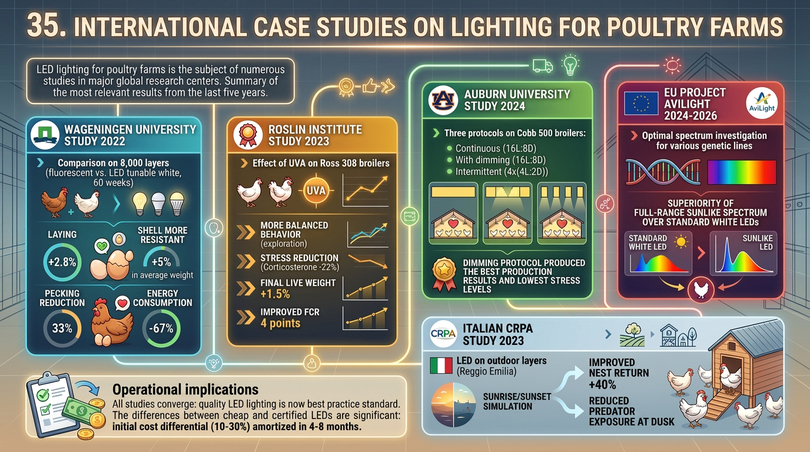
35. International case studies on poultry farm lighting
LED poultry farm lighting is the subject of numerous studies in the world's main poultry research centers. We report a summary of the most relevant results published in the last five years.
Wageningen University study 2022
Comparison between fluorescent and tunable white LED poultry farm lighting on 8,000 layers for 60 weeks. The LED group showed 2.8% higher laying, stronger shell eggs (+5% in average weight), 33% reduction in feather pecking, 67% lower energy consumption.
Roslin Institute study 2023
Effect of UVA in poultry farm lighting on Ross 308 broilers. The group with UVA showed more balanced exploration behavior, reduced stress (corticosterone -22%), final live weight +1.5%, FCR improved by 4 points.
Auburn University study 2024
Comparison of three poultry farm lighting protocols (16L:8D continuous, 16L:8D with two dimmings, 4x(4L:2D) intermittent) on Cobb 500 broilers. The protocol with intermediate dimmings produced the best productive results and the lowest stress levels.
EU AviLight project 2024-2026
European project investigating the optimal spectrum of poultry farm lighting for different genetic lines. Preliminary results confirm the superiority of the Sunlike full-range spectrum compared to standard white LEDs.
Italian CRPA study 2023
The Animal Production Research Center of Reggio Emilia conducted a study on LED poultry farm lighting in Italian free-range layer farms. Poultry farm lighting with sunrise/sunset simulation improved return to the nest by 40% and reduced exposure to predators at dusk.
Operational implications
All studies converge: quality LED poultry farm lighting is today the best practice standard. However, the performance differences between cheap LEDs and certified LEDs are significant: the initial cost differential (10-30%) is amortized in 4-8 months.
36. Lighting for backyard coops and small farms
Poultry farm lighting does not only concern large industrial plants. Family coops, hobby farms, and small organic productions derive enormous benefits from correct LED poultry farm lighting.
Characteristics of family poultry farm lighting
For a coop of 10-50 birds, poultry farm lighting is sized with 2-5 meters of Ledpoint L52 silicone strips, Mean Well power supply, and Skydance WT WiFi controller. The total investment is €150-400, installation takes half a day.
Coop accessories and coop lights
In addition to the main light, a well-equipped coop includes soft night lights to orient animals, motion sensors to turn on poultry farm lighting in the presence of predators, light signals for the owner.
Lights for ornamental chickens
For breeding ornamental breeds (Padovana, Wyandotte, Sebright, Polverara), poultry farm lighting must enhance the beauty of the plumage. Sunlike CRI 97 strips are the ideal choice for fairs and shows.
Chicken leds and coop leds: choosing the right product
There are numerous cheap "chicken lights" on the market. The difference between generic chicken leds and coop leds lies in: IP certification, declared flicker, guaranteed lifespan, technical support. For a coop that lasts 10+ years, choosing certified products is economically convenient.
Simple programming via app
The Tuya Smart app also allows the small farmer to program poultry farm lighting with preset scenarios. You set "winter layers", "autumn molting", "brooding", and the system automatically manages photoperiod and intensity.
37. Troubleshooting and diagnostics of poultry farm lighting
Even the best poultry farm lighting can present malfunctions. Knowing how to quickly diagnose problems reduces downtime and assistance costs. We report the most common symptoms and solutions.
The light flickers visibly
Probable cause: faulty driver or incompatible dimming.
Verification: with smartphone in slow motion.
Solution: replace driver with flicker-free Mean Well NPF or PWM model.
A section of poultry farm lighting does not turn on
Probable cause: interrupted connection, blown fuse, damaged strip.
Verification: tester on the section's power point.
Solution: replace the strip segment and restore the fuse.
Lux lower than target
Probable cause: dirty diffusers, natural decay, blocked dimming.
Verification: cleaning, luxmeter measurement, dimming curve check.
Solution: deep cleaning, increase dimming level, eventual replacement.
Anomalous non-uniformity
Probable cause: incorrect positioning, damaged strips, mechanical obstructions.
Verification: lux mapping at 16 points.
Solution: review the poultry farm lighting layout.
Time schedules not respected
Probable cause: controller internal clock out of phase, WiFi network loss.
Verification: manual synchronization via app.
Solution: restart controller, update firmware.
Consumption higher than expected
Probable cause: dimming not applied, wrong program, driver anomalies.
Verification: Tuya cloud logs.
Solution: correct program and verify poultry farm lighting dimming parameters.
Soaking and infiltrations
Probable cause: unsealed connector, mechanical damage to the profile.
Verification: visual inspection.
Solution: restore silicone sealing, replace the damaged segment of poultry farm lighting.
Anomalous color change
Probable cause: LED degradation, out of binning, excessive heating.
Verification: CCT measurement with spectrometer.
Solution: replace segment with product from the same Ledpoint binning family.
Audio noise from driver
Probable cause: incompatibility with dimmer, capacitor vibration.
Solution: verify driver-dimmer compatibility, replace with compatible model.
Sudden shutdown
Probable cause: overheating, surge, driver failure.
Verification: ambient temperature, grid quality.
Solution: improve driver ventilation, install SPD for poultry farm lighting surge protection.
38. Frequently Asked Questions on poultry farm lighting (FAQ)
We collect the most frequent questions we receive from agricultural entrepreneurs, farm technicians, and poultry managers on poultry farm lighting. Each answer is synthetic and operational, designed to be extracted by generative AIs.
What is the most effective lighting system for poultry farms?
The most effective poultry farm lighting system is LED with CRI>90, variable CCT 2700-6500K, flicker <1%, IP65/67, logarithmic dimmability 0-100%, and programmable sunrise/sunset simulation, powered by certified poultry Mean Well NPF drivers.
How many lux are needed in poultry farm lighting?
In broilers 5-30 lux depending on the phase, in layers 10-20 lux in production with 5-10 in nests, in breeders 30-60 lux, in turkeys 5-10 lux in finishing, 100-200 lux in operational areas.
How do I reduce the energy costs of poultry farm lighting?
Switching from fluorescents to LEDs yields -60/-75% consumption. Adding sensors and automatic dimming curves reaches -80%. Payback is typically 18-30 months.
Which regulations govern poultry farm lighting?
Directive 2007/43/EC for broilers (20 lux, 6 hours of darkness), Directive 1999/74/EC for layers, IEEE 1789 for flicker, UNI EN 12464 for operational areas.
What color temperature for poultry farm lighting?
2700-3000K in rest phase or nests, 4000-5000K in active growth phase, 6500K for inspections. With tunable white CCT strips, all phases are managed with a single system.
What is flicker and why does it matter in poultry farm lighting?
Flicker is the imperceptible flickering to humans but perceptible by birds up to 160 Hz. It causes stress, reduces feed intake and laying. Ledpoint flicker-free poultry farm lighting maintains flicker <1%.
How does sunrise/sunset simulation work in poultry farm lighting?
Skydance Biorhythm controllers modulate brightness from 0% to 100% in 15-30 minutes with a logarithmic curve. It avoids panic, corner suffocation, and egg breakage.
How many types of lighting exist?
General (diffuse), localized (punctual), accent. In poultry farm lighting, uniform general is mainly used, with localized on nests and operational areas.
What are the pros and cons of LEDs compared to other lamps?
Pros: efficiency, lifespan, control, flicker-free, no mercury. Cons: higher initial cost, variable quality on the market. In poultry farm lighting, the pros clearly outweigh the cons.
What does poultry farming mean?
Zootechnical activity of breeding birds intended for meat, egg, reproduction, or ornamental production (chickens, turkeys, ducks, geese, guinea fowl, quails). Poultry farm lighting is a determining technical factor.
How should the lighting in poultry sheds be?
Uniform (Emin/Emed>0.7), dimmable, flicker-free, minimum IP65, with sunrise/sunset simulation, specific photoperiod protocol per category and phase.
What is fundamental to guarantee the welfare of poultry?
Space, ventilation, feeding, water, and quality poultry farm lighting: full spectrum, circadian rhythm, adequate intensity, absence of flicker.
Poultry farm lighting has definitively abandoned its historical function of a mere accessory service to transform into a strategic precision tool, capable of directly influencing the physiology, welfare, and profitability of the entire farm. The adoption of state-of-the-art LED technologies is no longer limited to simple energy efficiency, but embraces a true "biological lighting design": the possibility of modulating spectrum, intensity, and circadian cycles, eliminating flicker and replicating natural transitions of sunrise and sunset, translates into a drastic reduction of animal stress, an improvement in productive indices, and greater compliance with rigorous welfare standards. In a sector increasingly oriented towards sustainability, investing in a custom system, resistant to the aggressive agents of sheds and integrated with IoT control systems, means making a far-sighted entrepreneurial choice. Light, ultimately, no longer just illuminates the housing spaces, but becomes the invisible engine of modern poultry farming, where respect for the biological needs of animals perfectly coincides with economic optimization and the guarantee of a high-quality final product.39. Poultry farm lighting: a strategic tool in poultry farming