






UV LED bar for essential oils: how to increase plant active ingredients
In the world of aromatic, officinal and medicinal plants, there is a counterintuitive truth: a plant that is stressed in the right way is worth more than a plant grown in absolute comfort. The compounds that make lavender, mint, basil or hemp valuable — essential oils, terpenes, flavonoids, cannabinoids — are not growth tools, but defensive weapons that the plant produces when it perceives an environmental threat. Among all natural threats, ultraviolet-B radiation (UV-B) is one of the most powerful in increasing the concentration of these active ingredients.
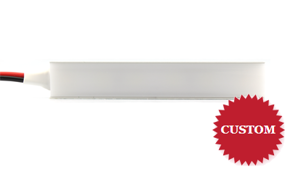
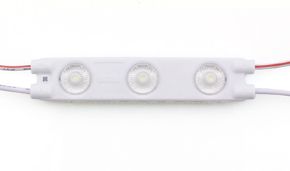
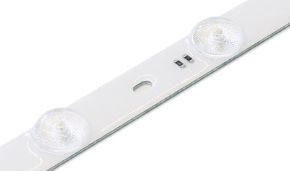
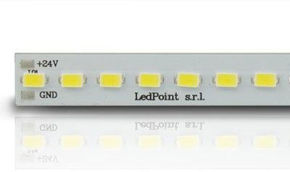
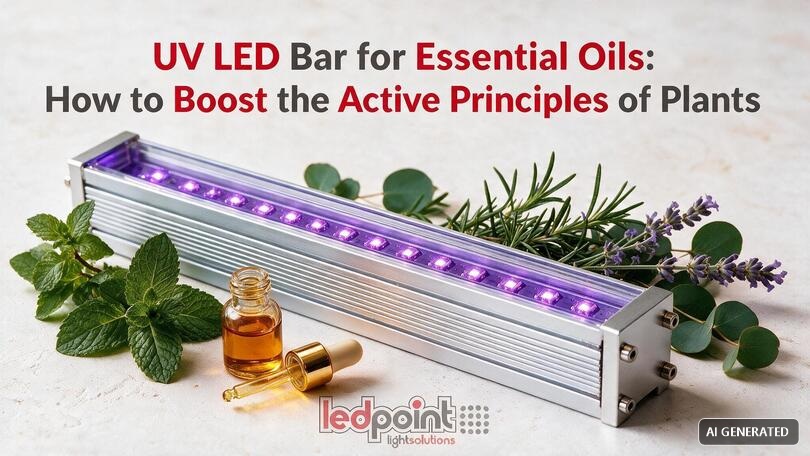
The LED growing bar by Ledpoint with 36 UV-B LEDs at 305–315 nm and 72 white LEDs at 3800–4200 K, managed by a ZigBee driver with two independent channels, was designed precisely to reproduce this environmental pressure in a controlled and repeatable way. In this technical guide, we will see, with data and studies in hand, why and how UV-B increases active ingredients, how to control the dosage to stay in the beneficial stimulation zone (eustress) without slipping into damage (distress), and how to set up concrete protocols for growers, perfume companies, extract producers and research laboratories.
You will find a complete picture: the biochemistry of plant defense, the three technical levers (altitude simulation, light intensity, irradiance control), a review of the experimental evidence published by scientific bodies and journals, the complete product specifications, operating protocols, market figures for the sectors involved, and photobiological safety indications. The goal is to give you everything you need to decide — and to do so with full knowledge of the facts.
In brief... UV-B (280–315 nm band) increases the active ingredients in plants by activating their natural defenses: controlled doses stimulate the synthesis of terpenes, flavonoids and phenols, the same compounds that form essential oils. The Ledpoint UV-B 305–315 nm LED grow bar emits in this band, while the 3800–4200 K white channel supports photosynthesis and the ZigBee driver precisely regulates irradiance to replicate high-altitude conditions.
In this article...
1. Active ingredients and secondary metabolites: what they are and why they are worth gold
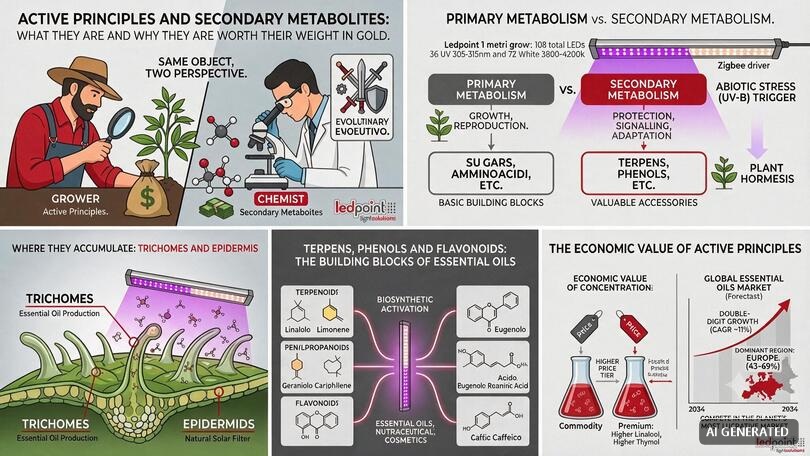
When a grower talks about "active ingredients" and a chemist talks about "secondary metabolites," they are looking at the same thing from two different angles. They are the molecules that give the plant its fragrance, its color, its flavor and its therapeutic or industrial value. They are not used by the plant to live in the strict sense (they are not part of the basic growth toolkit) but they are its evolutionary arsenal against insects, fungi, herbivores and, above all, against physical stresses such as excess solar radiation. Understanding this distinction is the first step in understanding why light, and in particular UV-B, is such a powerful lever on their concentration.
Primary metabolites versus secondary metabolites
A plant's primary metabolism produces what it needs to grow and reproduce: sugars, amino acids, lipids, nucleic acids. Secondary metabolism, on the other hand, produces "accessory" compounds (terpenes, phenolic compounds, alkaloids) that do not directly participate in growth but carry out protective, signaling and adaptive functions. This is where the commercial value lies: almost all essential oils, perfumes, plant protection products and nutraceuticals derive from secondary metabolism. A plant that accumulates more secondary metabolites is, for the same weight, a richer and more profitable plant.
The production of secondary metabolites is not constant: it increases or decreases in response to the environment. Research repeatedly shows that abiotic stress conditions (UV radiation, controlled drought, altitude, temperature, nutrient availability) push the plant to increase the synthesis of these compounds as a defensive strategy. This is the principle behind plant hormesis: moderate stress produces a benefit.
Terpenes, phenols and flavonoids: the building blocks of essential oils
Essential oils are complex, volatile mixtures dominated by two large families: terpenoids (monoterpenes such as linalool, limonene, geraniol and sesquiterpenes such as caryophyllene) and phenylpropanoids (such as eugenol). Alongside these, flavonoids and phenolic acids (rosmarinic acid, caffeic acid) provide the antioxidant contribution of interest to nutraceuticals and cosmetics. They are different molecules, but they share a crucial trait: their biosynthetic pathways are activated by light, and in particular by the ultraviolet component.
Where they accumulate: trichomes and epidermis
Volatile secondary metabolites do not float freely in the leaf: they are confined to specialized structures, the glandular trichomes, and in the epidermal layer. This is not a detail: it means that compounds accumulate precisely where UV radiation hits first. Field studies have observed that screening metabolites increase especially in leaves directly exposed to radiation, because that is where the plant needs to build its natural "sunscreen." Increasing the density and activity of trichomes (as UV does) is equivalent to increasing the production of essential oils.
The economic value of active ingredients
The concentration of active ingredients is not a laboratory quirk: it is the factor that determines the selling price. An essential oil with a higher titer of its lead component (for example more linalool in lavender, more thymol in thyme) is positioned in higher price ranges and for more demanding applications such as fine perfumery and pharmaceuticals. The downstream market is huge and structurally growing.
Estimates of the global essential oils market vary widely between research institutes (a sign of a young and fragmented sector) but converge on two points: size in the tens of billions of dollars and double-digit or near-double-digit growth. According to Fortune Business Insights the market was worth about $13.7 billion in 2025 with a projection toward $34.8 billion by 2034 (CAGR around 11%) while other companies such as Grand View Research and Precedence Research place the 2024–2025 value in the $25–29 billion range. One figure recurs in almost all analyses: Europe is the dominant region, with a share between 43% and 49% of the market, driven by perfumery, natural cosmetics and aromatherapy. For a European essential oil producer, improving crop quality means competing in the richest market on the planet.
The message for the grower is clear: every percentage point more of active ingredient is margin. And it is precisely on this margin that targeted lighting technology can make the difference between a commodity and a premium product.
2. UV-B radiation: the biochemical trigger of plant defense
To understand how an LED bar can affect the chemistry of a plant, one must go down to the cellular level. Ultraviolet radiation is not simply "more energetic light": it is a signal that the plant reads through dedicated photoreceptors and that triggers precise genetic cascades. The band that concerns us (UV-B, and specifically the 305–315 nm range of the Ledpoint product) is the one with the best ratio between stimulating power and risk of damage. It is energetic enough to activate defenses, but "soft" enough not to destroy tissues if dosed correctly.
The electromagnetic spectrum and the 305–315 nm band
Ultraviolet radiation is conventionally divided into three bands:
- UV-A (315–400 nm), the gentlest and closest to visible light;
- UV-B (280–315 nm), biologically very active;
- UV-C (100–280 nm), strongly germicidal and dangerous, almost entirely filtered by the Earth's atmosphere.
The LEDs of the Ledpoint bar emit at 305–315 nm, i.e. in the upper part of UV-B, the exact window used in most experimental studies on the increase of secondary metabolites. This choice is not accidental: it is the point where the literature documents the most consistent stimulatory effects, far from harmful UV-C.
Why not UV-C?
UV-C is used for sterilizing, not for growing: it damages DNA indiscriminately, both pathogens and the plant. A bar designed to enhance active ingredients must stay in controlled UV-B. It is good to clarify this because some generic datasheets use the "UV-C" icon for any ultraviolet source: in the case of this bar, the actual working band is UV-B at 305–315 nm, consistent with agronomic use.
The UVR8 photoreceptor and photomorphogenesis
Plants perceive UV-B through a specific photoreceptor called UVR8. When UV-B hits the leaf, UVR8 changes conformation and initiates a signaling cascade that culminates in the activation of transcription factors such as HY5. It is this molecular switch that turns on the genes for the biosynthesis of protective compounds, in particular flavonoids and other phenols that absorb UV. So it is not a random damage to which the plant reacts, but an evolved perception system: the plant "knows" that UV-B is present and responds in a targeted way.
A study on Ginkgo biloba illustrated this mechanism well: the transcription factor GbHY5 promotes flavonoid accumulation, and simulated UV-B treatments on seedlings reproduced the increase naturally observed in high-altitude plants on the Qinghai-Tibet plateau. The conclusion is powerful: it is possible to recreate in the laboratory, with UV LEDs, the chemical enrichment that in nature requires thousands of meters of altitude.
The phenylpropanoid and terpenoid pathway
Once the switch is turned on, the plant increases the activity of two major metabolic pathways. The phenylpropanoid pathway produces flavonoids and phenolic acids; the terpenoid pathway produces monoterpenes and sesquiterpenes that make up most essential oils. Several studies have directly measured the increased activity of the enzymes involved, confirming that it is not a vague effect but precise enzymatic regulation.
The key enzymes: PAL, 4CL, CHI, DFR
In the field study on Coleus forskohlii with supplementary UV-B, researchers recorded an increase in the activity of enzymes such as PAL (phenylalanine ammonia-lyase), the entry point of the phenylpropanoid pathway, together with 4CL, CHI and DFR. In parallel, flavonoid and phenol levels rose. Translated: UV-B does not simply "move" molecules, but enhances the enzymatic factories that produce them, increasing the plant's productive capacity.
Eustress versus distress: the golden rule of dosage
This is the most important point of the entire article, the one that separates an excellent result from a ruined harvest. The plant's response to UV-B is not linear: it follows a bell curve. Low and controlled doses produce eustress, i.e. beneficial stress that stimulates secondary metabolites; high doses produce distress, i.e. damage with loss of chlorophyll, reduction of proteins and decline in growth. The literature is explicit on this: the balance depends not only on the dose, but also on spectral quality, exposure time, developmental stage and genotype.
This is the technical reason why "any UV lamp" is not enough. It is necessary to be able to modulate the intensity and schedule the exposure with precision, to place the crop in the eustress window specific to its species. A non-dimmable source is a hammer when a scalpel is needed. This is precisely the structural advantage of a dimmable system with separate channels like the Ledpoint bar, which we will discuss in detail later.
One often overlooked aspect is acclimation. Plants, like living beings in general, adapt to a repeated stimulus: a dose that initially produces a strong defensive response can, after a few days, become the new normal and generate a weaker reaction. For this reason, the best protocols do not use a fixed dose, but an increasing or alternating progression, so that the plant continues to perceive the stimulus as a novelty and maintains high production of defensive metabolites. The ability to program ramps and variable cycles via ZigBee is precisely what allows counteracting acclimation, a level of refinement that a fixed-intensity lamp will never be able to offer.
3. The three control levers: altitude, intensity, irradiance
In nature, plants richest in active ingredients grow in extreme conditions: on sunny high mountain slopes, exposed to intense radiation and wide temperature swings. The Ledpoint LED grow bar makes it possible to recreate those conditions in a greenhouse or indoors by acting on three distinct and independently adjustable levers. Mastering these three levers means being able to "sculpt" the chemical profile of the crop instead of accepting what the environment offers. Let's look at them one by one, with the agronomic logic behind each.
Lever 1 — Altitude simulation
As altitude increases, the atmosphere filters less and less ultraviolet radiation: at 2,000 meters a plant receives much more UV than at sea level. Not surprisingly, many high-altitude medicinal plants are famous for their aromatic potency. By increasing the UV-B channel level of the bar, one "brings the mountain to the plant", recreating the ultraviolet pressure typical of high altitudes without physically moving the crop.
The evidence for the altitude effect is robust but must be read carefully. On Ginkgo biloba, flavonoid content increases markedly at high altitude and simulated UV-B treatments reproduce the effect. On other species, however, the outcome is more nuanced: a study on marjoram oregano (Origanum majorana) published in Scientific Reports found that the total percentage of essential oil was higher at low altitude, while at higher altitudes specific and valuable compounds such as thymol, carvacrol and alpha-terpineol increased. The lesson is clear: altitude simulation does not indiscriminately multiply the entire oil, but redesigns the composition and can concentrate the individual most valuable active compounds. For a perfumer or extractor, it is often the composition itself that determines the price.
Lever 2 — Light intensity and PAR (white channel 3800–4200 K)
If UV-B were the only protagonist, we would have a problem: ultraviolet radiation, by itself, tends to slow growth and reduce biomass. A plant full of active ingredients but tiny is not a good deal. This is where the second channel of the bar comes in, the 72 white LEDs at 3800–4200 K, which provide the photosynthetically active radiation (PAR) necessary to sustain photosynthesis, growth and green mass yield.
The balancing role of visible light is documented experimentally. In the study on Pelargonium graveolens (geranium) published in BMC Plant Biology, researchers observed that the negative effect of UV-B on yield was attenuated by high PAR intensity: in other words, by giving enough white light the plant withstood UV stress well without collapsing in productivity. Being able to adjust the white channel separately means managing the fundamental compromise of every premium crop: quantity (crop weight) versus quality (concentration of active compounds), finding the optimal point for one's business model.
Lever 3 — Irradiance control and cumulative dose
The third lever is the subtlest and most decisive. What matters biologically is not just how much radiation arrives in an instant (irradiance, in W/m²), but the cumulative dose that the plant receives over time, typically expressed in kJ/m². It is the product of intensity times exposure duration. The most rigorous studies do not simply indicate that they irradiated with UV light, but indicate precise doses: for example, in the study on mint the biologically effective dose was 2.8 kJ/m² over eight days, while on Coleus forskohlii it was 3.6 kJ/m² per day above ambient.
The two-channel ZigBee driver of the bar enables precisely this: programming intensity, duration and UV exposure windows separately from the main photoperiod of the white channel. It is possible to create increasing ramps, concentrate UV-B in the pre-harvest phase, turn off UV during staff intervention hours. This fine dosing capability is what turns a random experiment into a repeatable protocol batch after batch: and repeatability, for those selling to perfumeries and industries, is itself a market value.
DLI, photoperiod and harvest timing
In horticultural lighting jargon, one speaks of DLI (Daily Light Integral), the total amount of useful light received in a day. Applying the same reasoning to UV, one can define a daily UV dose to be increased gradually. The most effective time to push UV-B is often the final phase before harvest, when trichomes are most responsive and enrichment is maximized without unduly penalizing growth, which at that point is almost complete. Scheduling this timing on a calendar, via ZigBee control, is what distinguishes professional management from improvised use.
4. Experimental evidence: what research laboratories say
A serious technical guide does not rest on promises, but on published and verifiable data. The scientific literature on UV-B as an agronomic tool is extensive, quantitative and honest even in reporting cases where the effect is absent. Below is a review of the most relevant research, with numbers when available. The overall picture is favorable for many aromatic and medicinal plants, but not universal: the response depends on species, cultivar and protocol. We report both sides of the coin, because that is how trust is built.
A premise that helps to read these studies correctly: the variability of results is not a flaw of science, but valuable information. When two experiments on the same plant give different outcomes, the explanation almost always lies in three parameters: the actual UV dose, the precise wavelength and the developmental stage at the time of treatment. These are exactly the three variables that a controlled-dose bar allows to fix and replicate. In other words, the literature indicates that UV works if you control the parameters, and that very control is what distinguishes a professional tool from an improvised experiment.
Mint (Mentha spicata): up to 90 times α-linalool
This is perhaps the most spectacular result. In a study published in the journal Plants (2024), mint plantlets were exposed for eight days to broadband UV-B (291–315 nm, biologically effective dose 2.8 kJ/m²), a spectral window that almost perfectly matches the 305–315 nm of the Ledpoint bar. The result: most of the monoterpenes and sesquiterpenes (constituents of precious peppermint essential oil) increased significantly, with increases up to 90-fold for α-linalool and flavonoids growing 1.8-fold. A figure that, by itself, justifies the sector's interest.
Coleus forskohlii: GC-MS field analysis
In field conditions, with supplementary UV-B at 3.6 kJ/m² per day above ambient, researchers isolated the essential oil by hydrodistillation and analyzed metabolites and composition via gas chromatography-mass spectrometry (GC-MS). Secondary metabolite levels increased under UV-B stress, with flavonoids and phenols higher in directly exposed leaves, accompanied by increased activity of phenylpropanoid pathway enzymes. It is an example of rigorous methodology: declared doses, standard extraction, instrumental analysis.
Geranium (Pelargonium graveolens): the yield/quality trade-off
The study in BMC Plant Biology is valuable because it does not just report successes, but the physiology of the trade-off. UV-B modified the essential oil composition but, if not balanced, reduced overall yield. The key was visible light: high PAR intensity attenuated the negative effect of UV-B on yield. It is the experimental proof of why a bar that combines separately adjustable UV-B and white is superior to a UV-only source.
Altitude effect: Ginkgo and marjoram compared
As already seen, on Ginkgo biloba high altitude (and simulated UV-B) raises flavonoids via the GbHY5 module. On marjoram oregano, on the other hand, total oil is higher at low altitude while thymol and carvacrol increase at altitude. This apparent contradiction is actually confirmation of a principle: UV-B is a tool for directing composition, not a simple universal multiplier. Those who grow must know which molecule they want to maximize and calibrate the protocol accordingly.
Hemp (Cannabis sativa): trichomes, cannabinoids and limitations
On hemp, the picture is instructive precisely because it shows both successes and limitations, and teaches us to be wary of absolute promises. On the one hand, a combination of red light and UV-A led to yield increases of 91.8% in CBG and 44.1% in CBD compared to control, and the combination of UV-A and UV-B increases glandular trichome density in leaves. Commercial trials reported by the industry speak of average terpene increases of around 9–10% across dozens of compounds. On the other hand, some research has found no commercial benefit from short-wavelength UV-B on certain cultivars, with even a reduction in total terpenes. The honest synthesis: hemp response depends heavily on genetics, dose and spectrum, and must be calibrated with a dedicated protocol: once again, fine control is everything.
Summary table of studies
The following table summarizes the cited works, with dose, method and main outcome. It is intended as a quick reference for setting up one's own tests.
| Plant / study | Band & UV dose | Method | Main outcome |
|---|---|---|---|
| Mint (Mentha spicata), Plants 2024 | UV-B 291–315 nm; 2.8 kJ/m²; 8 days | In vitro culture + metabolite analysis | Monoterpenes/sesquiterpenes strongly increased; α-linalool up to 90×; flavonoids 1.8× |
| Coleus forskohlii, Env. Sci. Pollut. Res. | Suppl. UV-B 3.6 kJ/m²/day | Field + hydrodistillation + GC-MS | Secondary metabolites, flavonoids and phenols increased; PAL/4CL/CHI/DFR enzymes more active |
| Geranium (Pelargonium graveolens), BMC Plant Biol. 2023 | UV-A/UV-B + two PAR levels | Field, randomized blocks | Oil composition modified; high PAR attenuates UV-B yield reduction |
| Ginkgo biloba | Simulated UV-B (vs high altitude) | Seedling treatment + molecular biology | Flavonoids increased via GbHY5–GbMYB1–GbFLS module |
| Marjoram (Origanum majorana), Sci. Reports 2023 | Altitude gradient (766–1387 m) | Hydrodistillation + GC-MS | Total oil max at low altitude; thymol, carvacrol, α-terpineol increased at altitude |
| Hemp (Cannabis sativa), various | UV-A + red / UV-A+B / short UV-B | Growth chambers + cannabinoid/terpene analysis | CBG +91.8% and CBD +44.1% (red+UV-A); more trichomes with UV-A+B; but no benefit with certain cultivars/short UV-B |
Methodological note: the doses indicated are those of the respective studies and do not constitute a direct protocol for the Ledpoint bar. They should be used as a reference for setting up progressive tests on one's own crop, measuring the results.
5. The Ledpoint LED grow bar: technical anatomy
After the theory, the hardware. The Ledpoint LED grow bar is designed around a precise idea: to give the grower separate control of two light levers (the UV-B component that stimulates active ingredients and the white component that supports growth) with the ability to dose them independently via ZigBee. Every design choice, from the number of LEDs to the decision to derate the UV chips, responds to a real problem in photochemical cultivation. Let's look at the complete anatomy and the logic behind each component.
Complete specifications
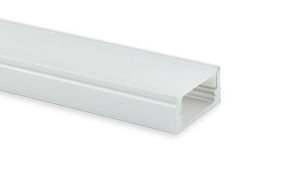
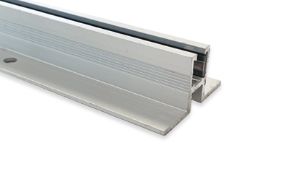
The bar is a module in an aluminum profile one meter long, with 108 total LEDs divided into two independent channels. The table reports all the relevant technical data.
| Feature | Value |
|---|---|
| Product code | CBWW01-38UV310-1_v1 |
| Length | 1 meter |
| Total LEDs | 108 |
| UV channel | 36 UV-B LEDs 305–315 nm (3535 chip, Taiwan, derated for longevity) |
| White channel | 72 white LEDs 3800–4200 K (2835 chip) |
| Power | 23 W + 23 W per channel (recommended max ~25 W total for thermal control) |
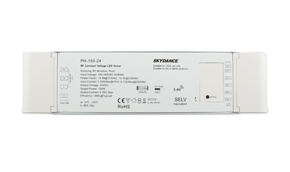
| Driver | ZigBee Skydance CXR-28A-2(WZS), 2 independent dimmable channels |
| Voltage | 48 V |
| Protection | IP20 (indoor / protected greenhouse use) |
| Photobiological risk | RG3 — requires protective measures (see safety section) |
| Documentation | Test Report downloadable from the product page |
Why two channels: UV-B and white together
The choice to integrate two channels on the same profile is not aesthetic, it is functional. We have seen that UV-B alone penalizes biomass and that white light (PAR) is what allows the plant to withstand stress while remaining productive. Having UV-B and white on the same bar, but on separate channels, allows finding the optimal ratio between the two for each species and each stage, without having to install and synchronize two different systems. The 3800–4200 K white is a neutral temperature that covers well the photosynthetically useful part of the spectrum.
The ZigBee Skydance two-channel driver
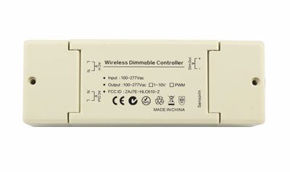
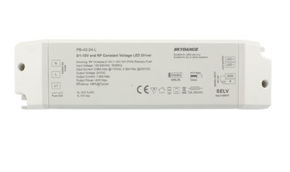
The intelligent heart is the ZigBee Skydance CXR-28A-2(WZS) driver, a two-channel power supply-controller that allows independent regulation of the power of the two LED groups. Being based on the ZigBee protocol, it integrates into home automation and automation ecosystems: scenarios, schedules, intensity ramps and UV exposure windows distinct from the white cycle can be programmed. By pairing a compatible hub (such as the Ledpoint Wifi/ZigBee/Bluetooth home automation hub), everything can be managed from an app, even with multiple bars in parallel, with the repeatability that a professional protocol requires.
Derated UV LEDs: a choice for longevity
A detail that reveals the engineering approach: the 36 UV LEDs (Taiwan chips) are deliberately derated and use is recommended at low power, with a maximum of about 25 W total to keep temperature under control. UV LEDs are the most delicate components and sensitive to heat; running them below their maximum limit extends the useful life and keeps emission constant over time. For those who set up dosage protocols, the constancy of emission is essential: an LED that decays rapidly would falsify the UV dose received by the crop batch after batch.
6. Comparison between lighting solutions
Why choose a dimmable UV-B + white bar instead of a traditional lamp, a generic full-spectrum LED or an adapted reptile UV lamp? The question is legitimate and deserves an answer based on explicit criteria. The parameters that really matter for increasing active ingredients are six: the presence of a defined UV-B band, the precision of dose control, the PAR contribution for biomass, dimmability/automation, manageability of photobiological safety, and declared suitability for the purpose. The table applies them to each solution.
| Criterion | Traditional HPS | White "full spectrum" LED | Reptile UV lamp | Ledpoint UV-B + white bar |
|---|---|---|---|---|
| UV-B 305–315 nm band | Absent | Almost absent | Present but not calibrated | Present and defined |
| Precise dose control | No | Partial | No | Yes, per channel via ZigBee |
| PAR for biomass | High (much heat) | High | Absent | Yes (white channel) |
| Dimmability / automation | Limited | Variable | No | Two independent channels |
| Manageable photobiological safety | — | — | Risk not declared | RG3 declared + Test Report |
| Suitability for essential oil protocols | No | No | Improvised | Designed for the purpose |
The reading is clear. Traditional sources grow, but do not stimulate active ingredients because they do not emit UV-B. Improvised UV lamps emit ultraviolet but without a calibrated band, without dose control and without declared safety data — a combination that easily leads to damaging the crop or operators. The Ledpoint bar is the only one of the four to combine all six requirements, and this is why it is the consistent choice for those who want to work on secondary metabolism in a controlled way.
7. Operating protocols by crop
The question every grower asks is how much UV, for how long, and when. There is no single number valid for all plants, but there is a correct methodology. The golden rule is only one: start low, increase gradually, always measure. Below is a general protocol and some variations for crop families, intended as a starting point to be adapted to one's own results.
General protocol in five steps
This scheme serves as a basic methodological framework, regardless of the species. It is the structure we recommend following for the first test cycle.
- Vegetative phase with white channel only. Build biomass and plant structure using the PAR of the 3800–4200 K channel, without UV. This is the time for quantity.
- Introduce UV-B in the final phase (flowering / pre-harvest), when accumulation in essential oils is most responsive and growth is almost complete.
- Exposure in short, increasing windows. Start with a few hours per day at low UV intensity and gradually increase, observing the plant at each step.
- Always keep the white on during UV, to counteract the yield reduction, as indicated by the geranium study.
- Record and correlate. Note UV dimmer percentage, hours/day, distance from the crop, and correlate with distillation or analysis results. This is how the protocol becomes your own.
The alarm signal to know
How do you know when you have passed the eustress threshold and entered distress? Typical signs of UV overdosing are browning, marked leaf curling, yellowing and evident growth slowdown. If they appear, reduce the intensity or duration of exposure to the previous step. A slight stiffening of leaves and a more intense coloration, on the other hand, are often positive signs of an ongoing defensive response.
Variation for aromatic plants (mint, basil, lavender, thyme, oregano)
Aromatic Lamiaceae are among the most studied and most responsive species to UV-B, because they accumulate essential oils in well-developed trichomes. For these crops it makes sense to concentrate UV-B in the two or three weeks before cutting, with increasing daily windows. The goal is to maximize the lead monoterpenes (linalool, menthol, thymol, carvacrol depending on the species). Since the composition can shift with the dose, it is advisable to calibrate tests according to the molecule most valuable for one's market.
Common mistakes to avoid
Many failures with UV do not depend on the technology but on the use. The three most frequent errors are: starting with too high intensity (one immediately enters distress), turning off the white channel during UV (penalizes yield without reason) and not measuring (without data one cannot optimize or replicate). Avoiding them is half the success. The fourth error, more subtle, is ignoring safety: UV-B is powerful for humans too, as we will see.
8. Target markets: opportunities and numbers
Investing in a photochemical lighting technology makes sense only if there is demand downstream. The good news is that all the sectors that use plant active ingredients (essential oils, perfumery, nutraceuticals, natural cosmetics) are structurally growing, often at double-digit rates. The LED grow bar is positioned exactly at the intersection of two expanding markets: LED horticultural lighting and plant-derived products. Let's look at the numbers, with the caveat that estimates vary between institutes: we report them as orders of magnitude, not as absolute truths.
Essential oils and perfumery
The global essential oils market is valued in the tens of billions of dollars with strong growth projections. Fortune Business Insights indicates about $13.7 billion in 2025 with a projection to $34.8 billion by 2034 (CAGR ~11%); institutes such as Grand View Research and Precedence Research place the 2024–2025 value in the $25–29 billion range with CAGR around 7–9%. The point that matters for a European producer is geography: Europe is the dominant region, with estimated shares between 43% and 49% of the global market, driven by natural cosmetics, aromatherapy and fine perfumery. There is growing demand for "therapeutic grade" oils with high purity and high concentration, exactly the segment where greater richness in active ingredients pays more.
For the Italian context, this data takes on particular significance. Italy has a consolidated tradition in the cultivation of medicinal and aromatic plants — from lavender to Mediterranean Lamiaceae — and a supply chain that goes from the small producer to the large perfumery. In a market where European consumption drives global demand, a producer capable of offering raw materials with high titer and reproducible composition has a direct competitive advantage, both toward the cosmetics industry and foreign markets. The lever of chemical quality, in this scenario, is not a technical detail: it is market positioning.
LED horticultural lighting
The LED horticultural lighting market is one of the most effervescent in the entire lighting sector. Estimates differ by perimeter but converge on high growth: the LED grow light segment is indicated in a range of about 3–8.8 billion dollars in 2025, with projected CAGR between 12% and over 20% toward the next decade. The drivers are controlled environment agriculture (greenhouses, vertical farming, indoor), energy efficiency compared to old discharge lamps, and increasingly, the demand for "tailored" spectra capable of modulating not only growth but also crop quality. This is exactly the trend in which a controlled-spectrum bar with a dedicated UV-B channel fits.
Nutraceuticals, phytocosmetics and vertical farming
Beyond the two main markets, the bar intercepts a constellation of sectors hungry for concentrated phytocomplexes. Nutraceuticals and supplements value flavonoids, polyphenols and antioxidant capacity (all compounds that UV-B tends to increase). Phytocosmetics and natural cosmetics seek standardized and potent plant actives. Vertical farming and specialized nurseries focus on high-value crops per square meter, where premium quality justifies the investment in advanced lighting. In all these cases repeatability of the chemical profile (guaranteed by dose control) is a requirement, not a luxury.
9. Who it's for: growers, perfumers and beyond
The UV-B LED grow bar is not a mass-market product: it is a specialized tool for those who make the chemical quality of the plant their competitive advantage. The primary target is growers of aromatic/medicinal plants and perfume companies, but the range of potential users is wider. If your product or research depends on the concentration of secondary metabolites, this bar speaks your language. Here are the profiles that derive the most value from it.
Growers of aromatic and medicinal plants
This is the primary audience: those who grow basil, mint, lavender, thyme, sage, rosemary, oregano and similar for fresh herbs, dried herbs or for distillation. For them, a higher titer in the lead component of the essential oil means access to higher price ranges and more demanding customers. The bar allows treating pre-harvest batches to enrich their profile.
Perfume companies and essential oil extractors
Perfume houses and extractors live by composition: the olfactory signature of an oil depends on the ratios between its molecules. Being able to influence the composition upstream, in cultivation, opens the possibility of distinctive and reproducible raw materials, difficult to imitate. For a sector where Europe is the world leader, this is a considerable differentiating potential.
Nutraceuticals, phytocosmetics, herbalism and distillation
Producers of supplements and nutraceuticals, phytocosmetic laboratories, herbalists producing mother tinctures, distilleries of herbs and botanicals for gin and liqueurs: all these players work on phytocomplexes whose potency depends on the concentration of active compounds. A richer harvest means more effective extracts or lower raw material dosages for the same effect.
Vertical farming, specialized nurseries and research
Finally, vertical farms, nurseries of high-value plants and university or private research centers. For the latter, precise and repeatable UV dose control is not just an agronomic advantage but an experimental requirement: it enables reproducible protocols, an essential condition for publishing results or for standardizing a supply chain. The bar, with its Test Report and declared parameters, is designed also for this rigorous use.
10. Photobiological safety and compliance (RG3, IEC 62471)
A chapter that no serious supplier can omit. UV-B is biologically powerful not only for plants, but also for humans: the same energy that stimulates secondary metabolites can damage eyes and skin in case of direct and prolonged exposure. The bar is classified in risk group RG3 (high photobiological risk) according to the criteria of the IEC 62471 standard. Ignoring this fact is not an option: operator safety comes before any yield. Here is what it means in practice and how to manage it correctly.
What "RG3" means according to IEC 62471
The international standard IEC 62471 classifies light sources into groups of increasing photobiological risk, from RG0 (no risk) to RG3 (high risk). An RG3 source can cause damage even with short exposures, which is why it must be managed with precise procedures. The fact that Ledpoint openly declares the RG3 class and provides a downloadable Test Report is, paradoxically, an element of reliability: it means the product is characterized and the user knows exactly what they are dealing with, unlike many improvised UV lamps lacking data.
Rules of use in cultivation
The fundamental precautions are simple but non-negotiable. Operate UV only in an enclosed or shielded environment, never look directly at the lit source, avoid exposure of bare skin, use adequate goggles and PPE during interventions in the crop; do not remain in the area during UV cycles. ZigBee control also helps here: UV irradiation windows can be programmed during time slots when staff are absent, reducing the risk of accidental exposure to zero. Before installation, the product's Test Report and documentation on photobiological risk should always be consulted.
Quick safety checklist
- Shielding of the UV irradiation area (curtains, UV-opaque panels).
- PPE: certified UV goggles and skin protection for interventions.
- Scheduling of UV cycles in the absence of personnel via ZigBee.
- Signage for areas with active UV radiation.
- Consultation of the Test Report and compliance with the manufacturer's instructions.
11. Measurement and return on investment
A protocol that is not measured cannot be improved, and an investment that is not evaluated cannot be justified. This section addresses the economic and metrological side: how to quantify results and how to reason about return. The logic is that of any process improvement: small controlled tests, data collected methodically, decisions based on numbers. The bar, with its dose control and repeatability, is the ideal tool for this engineering approach to cultivation.
What and how to measure
The quantities to monitor are divided into two groups.
Input: UV dimmer percentage, daily exposure hours, treatment days, bar-crop distance, temperature.
Output: essential oil yield (for example as a percentage, via hydrodistillation) and composition (via GC-MS, for the titers of lead components).
Always comparing a treated group with an untreated control group isolates the real effect of UV, eliminating seasonal and batch variables. This is exactly the method used in the cited scientific studies, and it is replicable in a company with a dedicated test bench.
Thinking about ROI
The return on investment should be evaluated on the added value of the crop, not only on the cost of energy. Even a modest increase in the active ingredient titer can move the product to a higher price bracket or reduce the amount of raw material needed for the same effect in the final extract. In sectors where the price per kilo of premium essential oil or standardized extract is high (e.g. Rose Damascena), the quality differential quickly repays the investment in lighting. To this are added indirect advantages: repeatability, differentiation, the ability to tell the customer about a controlled and documented process.
A final evaluation element concerns risk. Every process innovation involves a margin of uncertainty, but in the case of UV-B lighting the risk is containable because the system is completely reversible and scalable: one can start with a few bars on a pilot batch, measure the real return on one's crop and only then extend the system. There is no irreversible structural constraint. This risk profile (modular investment, measurable effect, possibility to stop or expand based on data) is what makes UV-B experimentation a prudent step as well as potentially profitable.
12. Integrating the bar into the system: installation and automation
An excellent bar poorly installed yields little. This section gathers the practical principles for placing, powering and automating the system, so as to extract the maximum safely. The key variables are three: distance from the crop, uniformity of irradiation, and integration into the control system. Let's look at them in the order in which they are addressed during installation.
Distance and uniformity
Irradiance decreases with distance, so the bar-crop distance effectively determines the actual UV dose received by the plants. Different distances on different plants produce different doses: hence the importance of uniformity. On large surfaces, it is advisable to distribute multiple bars in parallel to avoid UV "shadow zones" and ensure that all plants receive a comparable dose. The modular one-meter length facilitates the composition of regular patterns.
48 V power supply and thermal management
Operation at 48 V and the choice to run the UV LEDs below their maximum both serve the goal of stability. Thermal control is not a detail: temperature affects both the lifespan of the UV LEDs and the constancy of their emission. An installation that promotes heat dissipation (well-exposed aluminum profile, no obstructions) helps keep the UV dose constant over time, a decisive element for protocol repeatability.
ZigBee automation and scenarios
The real leap in quality comes with automation. By connecting the ZigBee driver to a compatible hub, one can define complete scenarios: vegetative phase with only white, transition, enrichment phase with UV at increasing intensity, scheduled UV shutdown during working hours. Managing multiple bars as a single system, from an app, means applying the same identical protocol to the entire crop and replicating it batch after batch. This is where the technology ceases to be "a lamp" and becomes a data-driven production process.
13. Deep dive: which compounds actually increase
"Active ingredients" is a convenient but generic label. To design an effective protocol, it is advisable to know which families of molecules respond to UV-B and how, because the response changes from class to class. Some compounds increase in absolute quantity, others become enriched in proportion, others still react only in combination with visible light. This section goes into the details of the main categories of commercial interest.
Terpenes and terpenoids
They are the aromatic heart of essential oils. Monoterpenes such as linalool, limonene, geraniol, menthol and sesquiterpenes such as caryophyllene provide fragrance and biological activity. Studies on mint show very marked increases of this class under UV-B, with exceptional peaks on individual molecules. For perfumery and extraction, terpenes are often the primary target, because they determine the olfactory signature. Their biosynthesis passes through the terpenoid pathway, sensitive to light stress.
Flavonoids
Flavonoids are the plant's "sunscreens" par excellence: they absorb UV and protect tissues. For this reason they respond particularly directly and reliably to UV-B, as documented on mint (1.8 times), Ginkgo and numerous other species. They are molecules of great interest for nutraceuticals and cosmetics due to their powerful antioxidant activity. If the goal is the antioxidant phytocomplex, flavonoids are the most predictable target to maximize.
Phenolic acids and phenylpropanoid compounds
Rosmarinic acid, caffeic acid, eugenol and similar compounds derive from the phenylpropanoid pathway, the same one enhanced by UV-B via the enzyme PAL. Rosemary and other Lamiaceae treated with UV-B show increases in acids such as rosmarinic and carnosic acid. These compounds are of interest for both aroma and the preservability and biological activity of extracts, with applications in functional foods and cosmetics.
Cannabinoids
In hemp, cannabinoids such as CBD, CBG and THC accumulate in trichomes along with terpenes. UV acts indirectly by increasing trichome density and stimulating upstream biosynthetic pathways. Results are the most variable of all classes: excellent in some spectral combinations and cultivars, null or negative in others. It is the class that requires the most experimental prudence and regulatory attention, but also the one with the potentially highest unit value.
14. Technical glossary
The subject matter intersects lighting technology, botany and chemistry, with a vocabulary dense with acronyms. This glossary collects the recurring terms in the article, with brief and operational definitions. It is also intended as a quick reference to consult while setting up one's own protocol, without having to look elsewhere for the meaning of each acronym.
| Term | Definition |
|---|---|
| UV-B | Ultraviolet radiation 280–315 nm, biologically active; stimulates plant defenses and the synthesis of secondary metabolites. |
| Secondary metabolites | Compounds not essential for growth (terpenes, phenols, flavonoids) used by the plant for defense; they are the valuable "active ingredients." |
| Eustress / distress | Beneficial stress (stimulates actives) versus harmful stress (damages the plant). The threshold depends on dose, species and time. |
| PAR | Photosynthetically active radiation (400–700 nm), the light that fuels photosynthesis and biomass growth. |
| PPFD | Photosynthetic photon flux density: quantity of PAR photons arriving on a surface per second (µmol/m²/s). |
| DLI | Daily Light Integral: total amount of useful light received in a day; conceptually extendable to a "daily dose" of UV. |
| UV dose (kJ/m²) | Cumulated UV energy per unit area; it is intensity × time, the parameter that studies dose with precision. |
| Glandular trichomes | Micro-structures on the leaf surface where essential oils, terpenes and cannabinoids are synthesized and accumulated. |
| Kelvin (K) | Color temperature of white light; 3800–4200 K is a neutral white suitable for photosynthesis. |
| GC-MS | Gas chromatography-mass spectrometry: analytical technique to identify and quantify the components of an essential oil. |
| IEC 62471 | Standard for photobiological safety of sources; defines risk groups from RG0 to RG3. |
| UVR8 / HY5 | UV-B photoreceptor (UVR8) and transcription factor (HY5) that activate the genes for chemical defenses. |
15. Myths and truths about UV for plants
Around UV lighting for crops, many simplifications circulate, some harmless, others harmful. Debunking them is useful to set correct expectations and to use the bar in the right way. The general rule is to distrust anyone who promises guaranteed results that are the same for all plants: biology does not work that way. Here are the most common clichés, with their corrected version.
Myth 1: "More UV means more active ingredients"
False. The relationship is bell-shaped: beyond the eustress threshold, UV damages the plant and results plummet. Quality comes from correct dosage, not from maximum possible intensity.
Myth 2: "A reptile UV lamp does the same job"
False. Generic lamps have no calibrated band, no dose control and no declared safety data. The risk is damaging crop and operators without knowing what dose is being delivered.
Myth 3: "UV is needed throughout the cultivation"
Partially false. In most cases, UV gives better results concentrated in the pre-harvest phase, while in the vegetative phase it is better to prioritize PAR to build biomass.
Myth 4: "The effect is identical on all species"
False. Mint, geranium, marjoram and hemp respond differently: some increase total oil, others shift composition, others still react only with the right spectrum. The protocol must be calibrated species by species.
16. Quick sheets by species
Each plant has its own chemistry, its own lead molecule and its own UV sensitivity. This section collects summary sheets for the most sought-after crops, intended as a starting point for setting up tests. The values and indications are not rigid recipes but guidelines to be calibrated by measuring results on one's own crop and genetics. The table provides an overview at a glance, followed by specific notes for each species.
| Species | Typical lead molecule | Recommended UV phase | Expected responsiveness |
|---|---|---|---|
| Mint | Menthol, linalool | Pre-harvest, 1–2 weeks | High |
| Basil | Linalool, eugenol | Pre-harvest | High |
| Lavender | Linalool, linalyl acetate | Pre-flowering / flowering | Medium-high |
| Thyme / oregano | Thymol, carvacrol | Pre-harvest | Medium-high |
| Rosemary | Carnosic acid, rosmarinic acid, 1,8-cineole | Moderate continuous | Medium |
| Sage (Salvia officinalis) | Thujone, camphor, 1,8-cineole | Pre-harvest | Medium |
| Hemp | CBD, CBG, terpenes (myrcene, limonene) | Flowering (gradual) | Variable by cultivar |
| Holy basil / Tulsi | Eugenol, methyl eugenol | Pre-harvest | High |
| Peppermint | Menthol, menthone | Pre-harvest | High (shifts profile) |
| Lemon balm | Citral (geranial/neral), citronellal | Pre-harvest | Medium-high |
| Marjoram | Terpinen-4-ol, cis-sabinene hydrate | Pre-harvest | Medium-high |
| Savory | Carvacrol, thymol | Pre-harvest | Medium-high |
| Hyssop | Pinocamphone, isopinocamphone | Pre-harvest | Medium |
| Clary sage | Linalyl acetate, linalool | Pre-flowering | Medium-high |
| Catnip | Nepetalactone | Pre-harvest | Medium |
| Monarda | Thymol, carvacrol, geraniol | Pre-harvest | Medium-high |
| Perilla | Perillaldehyde, rosmarinic acid | Pre-harvest | Medium-high |
| Mexican oregano (Lippia) | Thymol, carvacrol | Pre-harvest | Medium-high |
| Scented geranium | Citronellol, geraniol | Pre-flowering (+ high PAR) | Medium |
| Common chamomile | Chamazulene, α-bisabolol | Pre-flowering / flowering | Medium |
| Roman chamomile | Angelic esters, isobutyrates | Pre-flowering | Medium |
| Yarrow | Chamazulene, sabinene | Pre-flowering | Medium |
| Helichrysum | Neryl acetate, italidiones | Pre-flowering / flowering | Medium |
| Wormwood | Thujone, 1,8-cineole | Pre-harvest | Medium |
| Tarragon | Estragole (methyl chavicol) | Pre-harvest | Medium |
| Artemisia annua | Artemisinin, camphor | Pre-flowering | Medium-high |
| St. John's wort | Hypericin, hyperforin | Pre-flowering | Medium-high (phenols) |
| Calendula | Flavonoids, carotenoids | Pre-flowering | Medium |
| Echinacea | Alkylamides, chicoric acid | Vegetative | Medium |
| Coriander (leaf) | Aldehydes (decanal), linalool | Pre-harvest | Medium |
| Dill | Carvone, α-phellandrene | Pre-harvest | Medium |
| Fennel | Anethole, fenchone | Pre-flowering | Medium |
| Green anise | Anethole | Pre-flowering | Medium |
| Cumin | Cuminaldehyde | Pre-flowering | Medium |
| Caraway | Carvone, limonene | Pre-flowering | Medium |
| Parsley | Myristicin, apiole | Pre-harvest | Medium |
| Celery (leaf) | Limonene, phthalides (sedanolide) | Pre-harvest | Low-medium |
| Angelica | α-pinene, β-phellandrene | Pre-harvest | Medium |
| Lovage | Phthalides (ligustilide) | Pre-harvest | Medium |
| Lemon verbena | Citral, limonene | Pre-harvest | Medium-high |
| Citronella | Citronellal, geraniol | Moderate continuous | Medium |
| Lemongrass | Citral | Moderate continuous | Medium |
| Palmarosa | Geraniol | Moderate continuous | Medium |
| Patchouli | Patchoulol | Vegetative | Medium |
| Bay laurel | 1,8-cineole | Vegetative | Medium |
| Myrtle | 1,8-cineole, myrtenyl acetate | Vegetative | Medium |
| Rock rose | Labdanum, α-pinene | Vegetative | Medium (resin/phenols) |
| Lesser calamint | Pulegone, menthone | Pre-harvest | Medium-high |
| Vetiver | Vetiverol, khusimol | Limited foliar (oil in root) | Low |
| Ginger | Zingiberene | Limited foliar (oil in rhizome) | Low |
| Turmeric | ar-turmerone | Limited foliar (oil in rhizome) | Low-medium |
Mint and basil
They are among the most responsive crops because they have highly developed trichomes and efficient terpene pathways. Studies on mint show exceptional increases in monoterpenes under UV-B. For both, it is advisable to concentrate UV in the final phase before cutting, with increasing daily windows, monitoring the appearance of excessive stress. The goal is to maximize linalool and, in basil, eugenol, components that define the quality of the oil.
Lavender
Lavender lives by the ratio between linalool and linalyl acetate, which determines its olfactory finesse and value in perfumery. UV treatment in the pre-flowering and flowering phase can positively influence the aromatic profile, but lavender is also a full-sun plant accustomed to strong radiation: overdosing should be avoided, testing with cautious increments and constant comparison with the control.
Thyme, oregano and other phenolic Lamiaceae
Thyme and oregano target thymol and carvacrol, powerful phenolic compounds highly sought after for antimicrobial activity in food and nutraceuticals. It is precisely the class of molecules that altitude effect studies indicate increase under greater UV exposure. For these species, pre-harvest UV-B is particularly promising, with the precaution of verifying the actual titer achieved via analysis.
Rosemary and sage
Rosemary and sage are slower but interesting for phenolic acids (rosmarinic, carnosic) of great antioxidant value. The literature reports increases in these acids under UV-B. For these species, moderate and more prolonged exposure may work, rather than short intense peaks, always to be validated with one's own data. Attention should be paid to the balance with PAR so as not to penalize plants that already grow slowly.
Hemp: the sheet with the most cautions
Hemp is together the most promising and the most unpredictable. Some cultivars respond with more trichomes, cannabinoids and terpenes; others do not. The rule is to test on a small sample, introduce UV in flowering with very gradual increments, and always act in compliance with regulations on varieties, THC limits and permitted cultivation methods. Given the variability, here the value of dose control and repeatability is maximum.

17. Sustainability, efficiency and the future of tailored spectra
The choice of a lighting technology is not only about yield, but also about consumption, lifespan and the direction in which the sector is heading. On all three fronts, LEDs have changed the rules of the game compared to old sources. A well-designed LED system consumes less, lasts longer and allows a level of spectral control unthinkable with discharge lamps. This section frames the topic in a medium-term perspective.
Efficiency and consumption compared to old sources
Traditional lamps such as HPS (high pressure sodium) produce a lot of heat and offer minimal wavelength control. LEDs, on the other hand, are energy efficient and allow delivering exactly the useful spectrum. The push toward controlled environment agriculture — greenhouses, indoor, vertical farming — rewards precisely the sources that combine efficiency and spectral control. Reducing wasted heat also means better managing the greenhouse climate and, often, reducing cooling costs.
Lifespan and emission stability
An LED that lasts a long time and maintains stable emission is not only an economic advantage: it is a requirement for protocol quality. If UV emission decays rapidly, the dose received by the crop changes batch after batch and results become incomparable. The choice to run the UV LEDs below maximum, typical of the Ledpoint bar, should also be read in this key: stability over time in the service of repeatability.
Where the market is going: dynamic spectra and light recipes
The frontier of horticultural lighting is no longer "how much light," but "which light and when." Market analyses now segment products by spectral strategy (full spectrum, narrow band, adjustable dynamic spectrum) and by connectivity and automation level. Programmable protocols, which change the spectrum according to the plant's phase and chemical goal, are the declared direction of the sector. A bar with UV-B and white channels adjustable via ZigBee is, in effect, a building block of this architecture: it allows writing and replicating one's own light recipe. Investing today in a controllable system means aligning with the technological trajectory of the next few years, not the next few months.
18. In summary: quality is designed
At the end of the journey, the message can be condensed into one sentence: the active ingredients of plants are not an immutable given of nature, but a variable that can be designed. UV-B radiation is the most direct lever to do this, because it speaks the plant's evolutionary language: it tells it that there is a threat, and the plant responds by building its own chemical arsenal — the same terpenes, flavonoids and phenols that we transform into essential oils, perfumes, extracts and plant protection products.
The Ledpoint LED grow bar translates this science into a concrete tool: a defined UV-B band at 305–315 nm for stimulation, a white channel at 3800–4200 K to support growth, and a two-channel ZigBee control to dose everything with the precision that separates beneficial eustress from harmful distress. It is the combination that no traditional or improvised source offers, and it is designed for those who make the chemical quality of the plant their competitive advantage.
One final recommendation, the most important: measure. No universal protocol can replace a controlled test on one's own species and genetics. Those who adopt this method (start low, increase gradually, compare treated and control, document the results) turn an LED bar into a data-driven production process. And in markets where Europe is the leader and demand for natural products grows at double-digit rates, that process is the most solid way to compete.
19. Frequently Asked Questions (FAQ)
Quick answers to the most common questions about UV-B, active ingredients and the use of the LED grow bar. Click on each question to open the answer.
What wavelength does the bar work at and why is it important?The bar emits UV-B at 305–315 nm, the most effective band for stimulating secondary metabolites without venturing into harmful UV-C. It is the same range used in experimental studies on mint and other aromatic plants, making it suitable for replicating protocols documented in the scientific literature. |
Does UV-B always increase essential oil yield?No, and it is important to know this. Low and controlled doses stimulate actives (eustress); excessive doses damage the plant (distress). The effect varies by species and cultivar: sometimes total oil increases, other times specific valuable compounds such as thymol or carvacrol become concentrated. Measurement is needed. |
Why are two separate channels needed, UV and white?Because UV-B alone tends to reduce biomass. The 3800–4200 K white channel provides the photosynthetically active light that maintains growth and mass yield, while UV-B works on quality. Adjusting them independently allows optimizing quantity and concentration of active ingredients together. |
What does "simulate altitude" mean?At high altitudes, plants receive more UV and accumulate more defensive metabolites. Increasing the UV-B component recreates this environmental pressure in the greenhouse or indoors, pushing the crop toward phytochemical profiles typical of high mountain plants, without having to grow them physically at altitude. |
Is it suitable for hemp and CBD cultivation?Yes, it is among the most studied applications: UV and targeted spectra can increase trichome density, cannabinoids and terpenes. Results depend on genetics and dosage, so a dedicated protocol must be set up, always in compliance with current regulations in Italy and Europe regarding hemp cultivation. |
How do I control UV dosage over time?Via the two-channel ZigBee driver, intensity and exposure windows can be regulated, programming cycles distinct from the main photoperiod. This allows gradually increasing UV-B, concentrating it in the pre-harvest phase and maintaining protocol repeatability between batches. |
What safety precautions does it require?Being classified RG3 according to IEC 62471, UV-B should not be looked at nor exposed to the skin. Adequate PPE and goggles should be used, people should be kept away during UV cycles, and irradiation should be programmed in a shielded environment. The product's Test Report contains all the useful information. |
In which phase of cultivation should UV be turned on?In most cases, UV gives better results concentrated in the final flowering or pre-harvest phase, when trichomes are most responsive and growth is almost complete. In the vegetative phase, it is preferable to prioritize the white channel to build biomass. |
How many bars do I need for my surface area?It depends on the surface area and installation distance, because irradiance decreases with distance and uniformity is needed. On large areas, it is advisable to distribute multiple one-meter modules in parallel to ensure all plants receive a comparable UV dose and avoid less exposed zones. |
Why are the UV LEDs derated?UV LEDs are the most delicate components and sensitive to heat. Running them below maximum, with a recommended limit around 25 W total, extends their useful life and keeps emission constant over time: an essential condition for delivering a repeatable UV dose batch after batch. |
How do I measure if the treatment is working?Always compare a treated group with an untreated control group, measuring oil yield (hydrodistillation) and composition (GC-MS). Record input parameters (UV dimmer, hours, days, distance) and correlate with results: this is the method used in scientific studies, replicable in a company. |
Can it be integrated into an existing home automation system?Yes. The driver is based on the ZigBee protocol and, paired with a compatible hub such as the Ledpoint Wifi/ZigBee/Bluetooth home automation hub, it allows managing scenarios, schedules and multiple bars from an app, applying the same protocol to the entire crop in an automated and repeatable way. |
UV LED bar for essential oils: to differentiate and improve your crop
The picture that emerges from the collected evidence is clear and, at the same time, nuanced. Controlled UV-B irradiation is today one of the most concrete agronomic tools for increasing the active ingredients of medicinal and aromatic plants: this is confirmed by dozens of studies on mint, basil, thyme, geranium, lavender and many other species, with increases ranging from a few percentage points up to, in exceptional cases, double- and triple-digit multipliers on individual molecules. But the same literature teaches us not to treat it as a magic formula: UV-B is not a uniform multiplier, it is a tool for directing composition, whose effectiveness depends on species, cultivar, dose and timing of treatment.
For the grower, this means being able to differentiate their crop: no longer just quantity, but a product with a higher active ingredient titer, documentable and therefore salable at a higher price. For the perfumery or nutraceutical company, it means having an additional lever on the aromatic and functional profile of the raw material, with the repeatability that an industrial process requires. In both cases, the difference between an improvised experiment and a competitive advantage lies in a single word: control of spectral band, dose and duration.
This is exactly what the Ledpoint LED grow bar puts in the hands of growers: targeted UV-B at 305–315 nm and a white channel independently adjustable via ZigBee, to dose the stimulus with precision and stay within the beneficial eustress window. The winning method remains the data-driven one: start with low doses, always compare treated and control, measure and increase gradually. Those who work this way do not buy a lamp, they build a production process governed by science and technique: and this is the most solid way to compete in a market, that of essential oils and phytocompounds, where Europe is the leader and demand for natural products continues to grow at double-digit rates. Discover the LED grow bar and download the technical datasheet.
This article was developed with the support of artificial intelligence and subsequently reviewed, corrected, and validated by the Ledpoint.it technical team, which guarantees its reliability and compliance with official sources.
Put it into practice
- Discover the UV-B 305–315 nm LED grow bar and download the Test Report.
- Explore the Growing category and ZigBee controls for automation.
- Pair it with the Wifi/Zigbee/Bluetooth home automation hub to program UV cycles.