




Nautical LED Lighting 2026: the complete guide to the ship of the future

LED nautical lighting has ceased to be a simple on-board service to become a centralized digital system capable of defining a vessel's aesthetics, efficiency and safety. Between 2025 and 2026, the convergence between stringent IMO environmental regulations, demand for hyper-personalized experiences and technological maturity of LEDs is pushing marine lighting to the top of design priorities for shipyards, shipowners, lighting designers and naval architects. This guide, the result of Ledpoint.it's direct experience in the marine sector, maps in depth the technologies, trends, market data and regulatory requirements to navigate the next revolution in on-board lighting.
In this article...
1. LED nautical lighting: the global market 2025-2026
The LED nautical lighting market is experiencing a phase of vigorous growth, driven by two converging forces: the energy transition mandated by international regulations and the evolution of end-user expectations, increasingly oriented towards comfort, personalization and sustainability. Understanding the size and trajectory of this market is the starting point for any shipyard, shipowner or designer who wants to invest consciously in on-board lighting. The numbers tell of a sector in full expansion, where LED technology is no longer an option but the undisputed standard.
According to the most recent industry analyses, the global marine lighting market was valued at approximately $1.9 billion in 2024 and is expected to reach $3.5 billion by 2033, with a compound annual growth rate (CAGR) estimated at around 7.3% for the period 2026-2033. This upward trajectory is fueled by increased maritime trade, growing demand for luxury yachts and increasing regulatory attention to ship safety and energy efficiency. In the yacht lighting segment alone, some trade associations have recorded a 34% increase over the past three years, a sign of a sector running faster than average.
The three drivers pushing the market
Growth is not spontaneous, but rests on well-identifiable structural foundations. Analyzing them helps to understand why marine LED lighting will continue to expand in the years to come, regardless of cyclical fluctuations in the marine market.
| Market driver | Description | Impact on lighting |
| Energy transition | IMO decarbonization objectives and regulatory pressure on emissions and consumption. | Massive replacement of halogens and fluorescents with high-efficiency LEDs (up to 80% savings). |
| Quiet luxury and Experiential design | Shipowners are buying a living space, not a means of transport. | Demand for light that creates atmosphere, ensures well-being and integrates invisibly. |
| Operating cost reduction | Commercial and cruise ships focus on durability and lower maintenance. | LEDs with 30,000-100,000 hour lifespan reduce downtime and replacements in difficult areas. |
In the superyacht and recreational boating segment, there is a clear demand for "quiet luxury" and experiential design: shipowners are not simply purchasing a means of transport, but an exclusive living, working and entertainment space. In this scenario, lighting must do much more than illuminate: it must create atmosphere, ensure well-being, tell the yacht's brand story and integrate invisibly with architecture and precious materials. In parallel, in the commercial and cruise ship segment, the emphasis is on durability, operational safety and reduction of maintenance costs, where LEDs with their long useful life and resistance to vibrations and shocks drastically reduce downtime and replacement costs, especially in hard-to-reach areas.
The conclusion is clear: the ship of the future will have to be designed with a holistic approach, in which the lighting system is conceived from the initial phase as a strategic element to achieve sustainability, comfort and operational efficiency objectives, and not as an accessory to be added downstream of the project.
Market geography and regional dynamics
Geographically, the marine lighting market presents differentiated dynamics. The Asia-Pacific region confirms itself as the leader, benefiting from rapid technological advances and growing demand for high-performance lighting solutions, driven by major commercial shipbuilding hubs. Europe, and Italy in particular with its excellence in luxury boating, instead leads the premium superyacht segment, where the added value is given by the quality of design and engineering rather than volumes. North America maintains a significant role in both recreational and commercial boating.
For an Italian company like Ledpoint, this geography represents a precise opportunity: the Italian luxury marine supply chain is among the most prestigious in the world, and the cultural and logistical proximity to major Made in Italy shipyards allows close collaboration, made of project consultancy, tailor-made solutions and rapid assistance. In a global market, the ability to be a responsive and competent local partner is a competitive advantage that large generalist suppliers struggle to replicate.
Light as a value lever, not a cost
A profound cultural change is redefining the way shipowners and shipyards consider lighting. Until a few years ago, light was perceived as a cost item to be contained; today it is increasingly seen as a lever of value and differentiation. A well-designed lighting system increases perceived comfort, enhances interiors, improves energy efficiency and contributes to the vessel's environmental reputation. On a luxury yacht, the quality of light even affects the resale value, just as it does for prestigious real estate. This shift in perspective, from cost to investment, is perhaps the deepest and most lasting trend of the 2025-2026 biennium.
2. IMO Regulations 2026: CII, EEXI and impact on marine lighting
No serious analysis of LED nautical lighting can ignore the international regulatory framework, because it is precisely regulation that makes LED not only convenient but mandatory. The International Maritime Organization (IMO) has set ambitious goals for reducing greenhouse gas emissions from maritime transport, and 2026 represents a crucial year: it is the year in which the IMO conducts a formal review of the measures introduced, with the concrete probability of tightening requirements to keep the 2030 targets achievable. Understanding these mechanisms is fundamental to understanding why the efficiency of the lighting system is today a strategic lever for compliance.
The two key measures, mandatory under Annex VI of the MARPOL Convention and in force since January 1, 2023, are the EEXI (Energy Efficiency Existing Ship Index) and the CII (Carbon Intensity Indicator). The first is a one-time technical assessment applicable to ships with a gross tonnage of 400 GT or more; the second is an annual operational indicator that relates CO₂ emissions to the cargo carried and the distance traveled. Ships receive a rating ranging from A (best) to E (worst), and those rated D for three consecutive years or E in a single year must submit a corrective action plan.
Decarbonization targets for 2026 and 2030
The IMO aims for a reduction in the carbon intensity of international shipping of at least 40% by 2030, with progressive intermediate objectives. The CII requirement becomes more stringent each year, with annual improvement targets of approximately 2% until 2026; from 2027 to 2030 the reduction factors will be defined based on the ongoing IMO reviews. The following table summarizes the key milestones that every operator must keep in mind.
| Time Horizon | Carbon Intensity Reduction Target | Operational Notes |
| 2026 | ~11% (cumulative reduction) and formal review of measures | Annual CII improvement of approximately 2% from 2023. Possible tightening of requirements. |
| 2030 | At least 40% | 2027-2030 reduction factors to be finalized by 2026. |
| 2050 | Up to 70% intensity and net-zero as long-term goal | Adoption of low-carbon fuels and advanced technologies. |
In this context, lighting, traditionally energy-intensive with halogen or fluorescent technologies, represents an immediate and low-risk opportunity for savings. Replacing a traditional system with high-efficiency LEDs can reduce energy consumption dedicated to lighting by up to 80%, a tangible and measurable contribution to the ship's energy efficiency objectives. Unlike complex interventions such as engine replacement or the adoption of new fuels, lighting retrofit is rapid, relatively inexpensive and produces immediate benefits both on the CII rating and on the operating budget. For this reason, LED lighting is often the first piece of any IMO compliance strategy.
3. From halogen to native digital LED: the evolution of on-board lighting
To appreciate the scope of the ongoing transformation, it is useful to retrace the path that marine lighting has taken. Each technological generation has solved the limitations of the previous one, but it is only with the current wave of native digital LEDs that on-board lighting radically changes its nature, passing from a passive component to an active node in an intelligent network. This conceptual leap is the real driver of 2025-2026 trends.
The journey began with incandescent and halogen lamps, warm and pleasant in color rendering but inefficient, fragile and with a ridiculous useful life for an environment subjected to continuous vibrations. They were followed by fluorescent tubes, more efficient but subject to rapid degradation with vibrations and problematic from an environmental point of view due to the presence of mercury. Today, LED technology represents the undisputed standard, but it is itself rapidly evolving internally.
First generation: retrofit
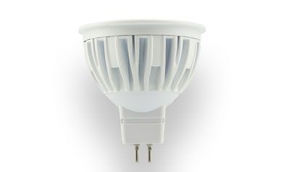
The first generation of ship LEDs focused on direct replacement ("retrofit") of traditional sources, replicating their shapes and fittings. A halogen bulb was replaced by an LED bulb with the same fitting, without rethinking the lighting design. It was a necessary and very useful step to reduce consumption, but limited in vision: the light remained a set of separate points, each with its own isolated function.
Current generation: the native digital system
The generation that dominates 2025-2026 is instead native digital and integrated. We are no longer talking about individual light points, but about a connected and intelligent lighting system, in which every strip, module or spotlight is a node in a network that can be controlled, monitored and automated. Light becomes programmable, dialogues with on-board sensors, adapts to the time of day and the activities of the occupants. It is in this transition from light point to system that all the most significant innovations are concentrated, from Human Centric Lighting to IoT integration.
Why LED won in the marine environment
It is worth dwelling on why LED has proven so superior precisely in the marine environment, which is among the most hostile of all. Previous technologies suffered from three fatal weaknesses in marine applications. Fragility: filaments and glass tubes broke under the constant vibrations of navigation. Inefficiency: halogens and incandescence wasted much of the energy in heat, an unsustainable luxury on a ship where energy is precious. And maintenance: the short useful life required frequent replacements in places that were often difficult to reach.
LED solves all three problems at once. Being a solid-state component, without filaments or gas, it withstands vibrations and shocks excellently. Its very high luminous efficiency drastically reduces consumption and heat production. The long useful life almost eliminates replacements. To these advantages are added compactness, which allows installations impossible with traditional technologies, and digital controllability, which opens the doors to the entire universe of intelligent lighting. It is this unique combination of qualities that explains why LED has not simply replaced old sources, but has refounded the entire concept of on-board lighting.
4. Human Centric Lighting: circadian lighting on ships
Among all the applications of new digital lighting, Human Centric Lighting (HCL), or circadian lighting, is probably the most significant in terms of the well-being of people on board. Scientific research in chronobiology has amply demonstrated how the spectrum and intensity of light influence the human circadian rhythm, melatonin production, mood and concentration. On a ship, where natural horizons can be absent for days and working hours are often irregular, especially for the crew, artificially recreating the natural cycle of light becomes a very powerful tool.
An advanced HCL system uses Tunable White LEDs with adjustable color temperature from 1800K to 6500K which, guided by an astronomical clock, simulate the evolution of sunlight throughout the day. The principle is that of bio-adaptive lighting, which automatically adjusts color and intensity based on the time, supporting the natural circadian rhythms of occupants with measurable benefits.
How light changes throughout the day
The programming of a circadian system follows a precise curve, calibrated on the physiological needs of the human body. The following table illustrates a typical profile applied to the living and working areas of a vessel.
| Time slot | Color temperature | Indicative intensity | Physiological effect |
| Morning (06:00-09:00) | 5000-6500K (cool light) | 300-500 lux | Suppresses melatonin, promotes awakening and readiness. |
| Day (09:00-17:00) | 4000-5000K (neutral light) | 250-400 lux | Maintains concentration and operational performance. |
| Evening (17:00-22:00) | 2700-3000K (warm light) | 100-200 lux | Prepares the body for rest, stimulates melatonin. |
| Night (22:00-06:00) | 1800-2200K (amber light) | <50 lux | Courtesy light that does not disturb sleep. |
In the morning, in cabins and crew areas, the light will be fresh and bright to promote awakening; in the evening, in lounge areas and suites, it will progressively warm up, preparing the body for rest. This ability for biological adaptation is no longer a luxury optional, but an increasingly requested feature to improve the quality of life on board and crew performance, with direct impacts on operational safety: a rested and vigilant crew makes fewer mistakes.
The science behind the circadian rhythm
To understand why HCL works, a brief reminder of chronobiology is useful. The human body is regulated by an internal biological clock that scans cycles of approximately 24 hours, the circadian rhythm. This clock is strongly influenced by light, in particular by the blue component of the spectrum, which in the morning signals to the brain that it is time to activate by suppressing the production of melatonin, the sleep hormone. In the evening, instead, the absence of blue light and the prevalence of warm tones favor the release of melatonin and prepare for rest.
On land this mechanism is naturally regulated by the day-night alternation. At sea, especially on commercial ships where the crew works in shifts and in environments often without windows such as engine rooms, the circadian rhythm risks going off track, with consequences on fatigue, mood, sleep quality and concentration ability. HCL lighting artificially recreates the correct light signals, returning to the body the temporal references it needs. This is not an aesthetic benefit but a real tool of preventive medicine and operational safety, so much so that the topic is receiving increasing attention even in regulations on the well-being of maritime workers.
Practical implementation of an HCL system on board
Realizing an HCL system requires three coordinated elements: quality Tunable White sources with a wide color temperature range and high CRI, a control system capable of managing the gradual transition between temperatures and intensities, and programming calibrated on the desired circadian profile and the different areas of the ship. Graduality is essential: transitions must be slow and imperceptible, so that occupants perceive the effects without noticing the change in progress. A good HCL system is like an invisible orchestra conductor that accompanies the body throughout the day without anyone noticing, and it is precisely this discretion that makes it as precious as it is technically sophisticated.
5. Marine interior design trends 2025-2026: the light that disappears
The interiors of leading vessels are embracing an aesthetic that fuses technological minimalism, natural materials and warm tactile textures. Neutral color palettes such as beige, soft grays and sage green dominate the environments, combined with solid woods, satin metals and natural stones. In this rarefied context, lighting plays a seemingly paradoxical role: it must be extremely powerful in its functions but as invisible as possible in its physical presence. By disappearing, light becomes the element that shapes and defines the space, creating volumes, emphasizing textures and guiding the emotional experience of those who live on the vessel.
This design philosophy, often defined as "lighting concept", assumes relevance not only functional but above all aesthetic: the choice of the right lights, from colors to their intensity, allows you to create the elegant and relaxing atmosphere typical of luxury vessels. Let's look in detail at the two strongest aesthetic trends of the biennium.
Invisible and architectural lighting
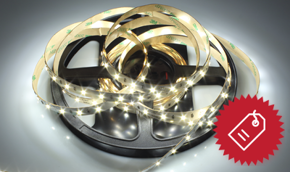
The trend towards "invisibility" translates into sophisticated technical solutions. Latest generation LED strips, very thin and with a very high diode density, are installed in extruded aluminum profiles then masked by sober wooden strips, recessed in baseboards or hidden behind suspended panels. The result is a wash light or grazing light effect, in which the wall or ceiling seem to emit light uniformly without an identifiable source. In luxury bathrooms, thin lines of light outline the perimeter of infinite mirrors or illuminate shower compartments from imperceptible slits, transforming the environment into a spa suspended on the sea.
Why COB technology is decisive
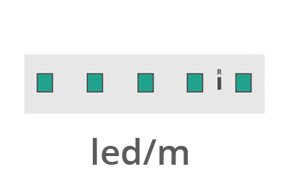
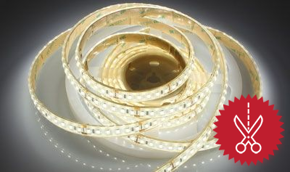
COB (Chip-on-Board) LED technology is particularly suitable for this purpose. Thanks to the high chip density, between 500 and 1000 per meter, it completely eliminates the "dotted" or "beaded" effect typical of traditional SMD LED strips, creating a continuous and perfectly homogeneous line of light, essential for the highest aesthetic standards. In a yacht salon, where every detail is studied, the difference between a continuous line of light and one dotted with individual LEDs is the difference between a professional project and an amateur one. A concrete example comes from achievements on superyachts exhibited at international boat shows, where LED strips are applied in side valances and rosettes above tables to irradiate the environment without dazzling.
Neon flex: the fluid elegance of curves
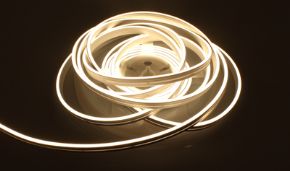
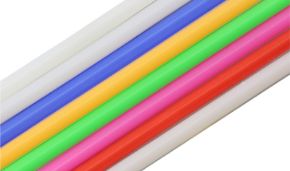
Where design becomes curvilinear and sculptural, Neon Flex LED comes into play. This product revolutionizes the concept of traditional neon: it is flexible, safe because it is low voltage, resistant to shocks and consumes a fraction of the energy compared to glass neon. On ships, Neon Flex becomes the ideal tool for creating illuminated custom logos, dynamic architectural lines that follow the curved walls of interiors and ceiling decorative elements that resemble constellations.
It can be molded into any shape, allowing designers to use light as a real luminous pencil stroke in the environment. Its uniform diffusion and availability in millions of colors, including calibrated whites, make it perfect for creating dramatic focal points in social areas or for providing high-impact accent lighting in cruise ship atriums. For outdoor environments, where Neon Flex is exposed to splashes, salt spray and UV rays, it is essential to choose versions in high-resistance polyurethane with adequate protection rating.
The role of aluminum profiles
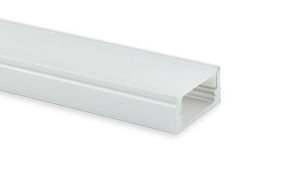
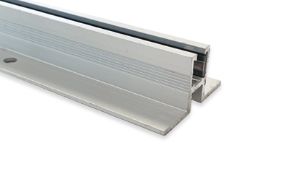
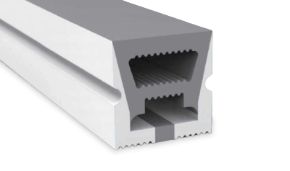
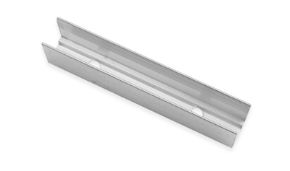
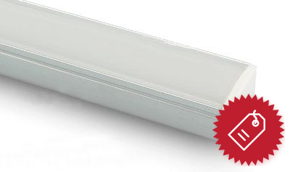
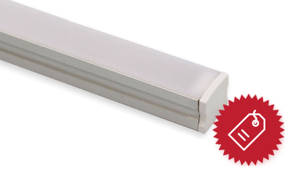
A technical element often underestimated but decisive for the final result is the aluminum profile that houses the LED strip. The profile performs three fundamental functions: it protects the strip, masks it by integrating it into the architecture and, crucially, acts as a heat sink. Heat is the main enemy of LEDs: a strip installed without adequate dissipation degrades rapidly, losing luminous flux and shifting color. The aluminum profile, an excellent heat conductor material, dissipates thermal energy by significantly extending the useful life of the source.
Profiles are available in countless configurations: recessed, surface-mounted, angled, suspended, with opal diffusers that soften the light by eliminating direct glare. In marine design, profiles are often customized and integrated into on-board cabinetry, becoming an inseparable part of the furnishing project. The choice of diffuser, opal for soft light or transparent for maximum performance, directly affects the final effect and must be calibrated based on the desired function and aesthetics.
Light layering: the stratification of environments
High-end lighting design never uses a single source to illuminate an environment, but applies the principle of layering, or the stratification of light into multiple complementary levels. Three layers are typically distinguished: ambient light, diffuse and uniform, which defines the basic level of illumination; functional or task light, concentrated where specific activities are needed such as cooking, reading or working; and accent light, which enhances works of art, architectural elements or precious details.
On a ship this approach reaches the maximum of sophistication because each layer can be controlled independently and combined in different scenarios depending on the moment and activity. A salon can go from bright, uniform lighting for a business meeting to an intimate, stratified atmosphere for a dinner, simply by rebalancing the three light layers. It is the flexibility of layering, made possible by digital control of LEDs, that transforms a fixed space into a chameleon environment capable of adapting to every need.
6. LED strips for marine use: technical specifications and advanced applications
LED strips are the real "workhorses" of modern marine lighting, thanks to their versatility, compactness and ease of installation. However, not all LED strips are suitable for the marine environment, which is one of the most challenging of all for any electronic component. High humidity, corrosive salt spray, thermal excursions, continuous vibrations and exposure to UV rays require very high construction specifications. Installing a residential interior LED strip on a boat means condemning it to premature failure: understanding the right specifications is therefore essential.
Essential technical specifications
To ensure reliability and longevity, an LED strip for marine applications must have very precise characteristics, concerning protection, materials and power supply. Let's examine them one by one.
IP (Ingress Protection) rating
The IP rating is the first parameter to check. For humid indoor environments such as bathrooms, kitchens and laundries, IP65 is sufficient, which protects against water jets. For outdoor installations exposed to splashes or in shower areas, IP67 is required, resistant to temporary immersion, or better still IP68, resistant to continuous immersion, essential for watertight below-deck lights or underwater spotlights. Getting the IP rating wrong is the most common and most costly mistake in marine lighting.
Construction with anti-corrosion materials
The PCB, the printed circuit board, should be made of copper with a gold or silver finish to resist salinity. Encapsulation in high-quality silicone, and not in cheap PVC resin, is fundamental for flexibility, optical transparency and resistance to UV aging and oxidation. Silicone also guarantees better heat dissipation than PVC, extending the product's life.
Low voltage power supply and safety
The vast majority of marine installations use 12V or 24V DC voltages, compatible with on-board systems and intrinsically safer in humid environments. Low voltage eliminates the risk of electrocution even in case of accidental contact with water, a non-negotiable requirement in the marine sector.
Practical fields of application on board
The applications of LED strips on a ship are virtually infinite. The following table proposes some concrete examples divided by area, with recommended specifications and the benefit obtained, so as to provide an immediate guide to designers and installers.
| Ship area | LED strip application | Recommended specifications | Benefit |
| Cabins and suites | Indirect crown lighting around the bed, night light in wardrobes, ceiling perimeter. | COB Tunable White Strip 24V IP20/IP65, dimmable, CRI >90. | Creates atmosphere, saves space, maximizes visual comfort. |
| Bathrooms | Mirror lighting, shower atmosphere light, night floor lighting. | White Strip 24V IP67/68, with opal diffuser for soft light. | Safety, functionality, elegant design, water resistance. |
| Stairs and gangways | Step lighting, illuminated handrail, path signaling. | Monocolor or RGBW Strip 24V IP67, in profiles with non-slip diffuser. | Fundamental safety, visual guidance, modern design. |
| External deck and bar areas | Under-seat lighting, toe-kick under table edge, in railings. | RGBW Strip 24V IP68, with weatherproof controller. | Entertainment mood, eye-catching design, night safety. |
| Pools and spas | Underwater lighting, chromotherapy, pool contour. | RGB Strip/spotlights 12/24V IP68, marine silicone. | Chromotherapy beneficial effects, safety, wow factor. |
The same principles apply to the outdoor spaces of a seaside villa or the terrace of a port-front penthouse: IP67/68 LED strips can be installed along pathways in dedicated profiles, under steps, to delimit flower beds or to create suggestive accent lighting on trees and furnishing elements, transforming the outdoor space into an extension of the on-board experience.
The photometric parameters that really matter
Choosing an LED strip for marine use means knowing how to read and compare photometric parameters, those technical numbers that describe the quality and quantity of emitted light. Too often we limit ourselves to looking at watts, which indicate consumption and not luminous performance. The really relevant parameters are others, and knowing them allows you to compare different products on objective bases rather than on commercial promises. Let's look at the main ones.
Luminous flux, lumens and lumens per meter
Luminous flux, measured in lumens (lm), indicates the total quantity of light emitted. For an LED strip the useful data is flux per meter (lm/m), which allows you to understand how much light a certain length will actually provide. A strip of 800-1000 lm/m is suitable for accent lighting, while for main or task lighting you may need 1500-2000 lm/m or more. Comparing two strips at the same wattage by looking at lumens per meter immediately reveals which is more efficient.
Luminous efficacy (lm/W)
Luminous efficacy, expressed in lumens per watt (lm/W), is perhaps the most important parameter in terms of energy savings and regulatory compliance. It indicates how much light is obtained for each watt consumed: the higher it is, the less energy is needed to illuminate. Latest generation LEDs reach very high values, and in the marine sector, where every watt saved extends autonomy and improves the CII rating, luminous efficacy is a priority selection criterion.
Color Rendering Index (CRI) and Color Temperature (Kelvin)
The CRI (Color Rendering Index) measures the fidelity with which light reproduces colors compared to natural light, on a scale from 0 to 100. For prestigious residential environments, a CRI higher than 90 is essential, because lower values flatten and distort the perception of woods, fabrics and finishes. Color temperature, expressed in kelvin (K), defines the tone of the light: from warm and enveloping tones (2700-3000K) to cold and brilliant tones (5000-6500K). In Tunable White strips these two extremes are adjustable, enabling the Human Centric Lighting described above.
L70 protection rating and flux maintenance
The L70 value indicates the number of hours after which the LED still maintains 70% of the initial luminous flux. It is the true indicator of useful life, much more significant than "absolute" operating hours. A quality LED maintains L70 even after 50,000 hours, which means that for decades it will continue to illuminate in an almost constant way, without that slow and insidious decrease in brightness that characterizes poor products and which often goes unnoticed until the difference becomes evident.
Underwater lighting
A separate chapter deserves underwater lighting, one of the most spectacular and technically challenging elements of luxury marine lighting. Underwater spotlights mounted on the hull, below the waterline, create halos of light in the surrounding water at night that transform the vessel into a luminous spectacle and, not secondarily, increase safety by signaling the boat's presence. These applications require the maximum degree of protection, IP68 with continuous immersion sealing, materials totally resistant to marine corrosion and sophisticated thermal management, given that heat must be dissipated in a confined environment and in contact with water.
RGB versions allow varying the color of underwater light creating suggestive chromatic effects, from deep blue to emerald green. The same philosophy applies to on-board pools and spas, where underwater lighting combined with chromotherapy enriches the experience and improves safety. In all these cases, product selection does not allow savings: an underwater spotlight that yields to pressure or corrosion is not just a breakdown, but a potential point of water ingress into the hull, with consequences far more serious than a simple replacement.
7. LED modules: safety, emergency lighting and invisible integration
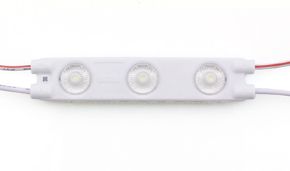
If strips are the luminous skin of the ship, LED modules, also called light engines, are its joints and load-bearing structures. These are discrete LED components, often circular, square or linear in shape, designed to be integrated directly into furnishings or architectural structures. Their installation requires more careful planning than strips, but offers superlative integration and finishing results, as well as covering critical functions related to safety.
Emergency lighting and SOLAS-Compliant signage
One of the most critical and regulated aspects of marine lighting is safety. The SOLAS Convention (Safety Of Life At Sea) and IMO regulations prescribe very precise requirements for emergency lighting, escape route signaling lights and sign panels. These are not recommendations but obligations whose violation compromises the vessel's certification.
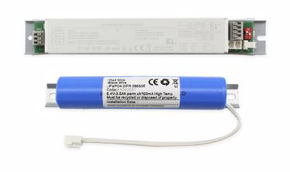
LED modules offer the ideal solution because they can be housed in appliances certified for marine use, with CE, UL Marine, RINA, DNV, Lloyd's Register markings, which guarantee the autonomy, brightness and duration required. An LED module for emergency lighting on a ship must maintain sufficient illumination for a minimum of 3 hours after a power interruption, a performance that traditional technologies struggle to guarantee with the same efficiency and reliability. The combination of low consumption and long life makes LEDs irreplaceable even in this area, where every watt saved extends the autonomy of emergency batteries.
Invisible integration in luxury furnishings
In high-end design, LED modules find use in highly refined "custom" applications. Small ultra-low profile modules, with thicknesses of a few millimeters, can be recessed into glass or wood table tops, creating a light effect that seems to come from within the material. They can be integrated into bookshelf shelves to illuminate display objects, or inside kitchen wall units to provide perfect task lighting on work surfaces without any visible encumbrance.
This approach, combined with motion and presence sensors, also maximizes energy efficiency: the light turns on only when and where needed, further contributing to the sustainability objectives of the ship of the future and to the improvement of the CII rating. The integration between LED module and sensor technology is one of the clearest examples of how light, from a passive element, becomes an active part of a system that thinks and reacts.
Backlighting and modules for signs
A specific category of LED modules is that intended for backlighting. These modules, often linear or matrix in shape, are designed to uniformly illuminate translucent surfaces such as satin glass panels, signs, backlit logos and decorative surfaces. On board they are used to illuminate the vessel's name on the hull or stern, to backlight design elements in interiors, or to create luminous walls that act as scenic dividers between environments.
The technical challenge of backlighting is to achieve perfect uniformity without hot spots, that is, without brighter points in correspondence with individual LEDs. This requires precise calculation of the distance between the modules and the surface to be illuminated, and the use of optics that diffuse the light with the correct angle. A poorly backlit logo, with evident inhomogeneities, immediately communicates poor quality, which is why this application requires specific products and design expertise, not improvised solutions.
LED bars and rigid linear solutions
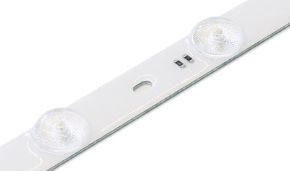
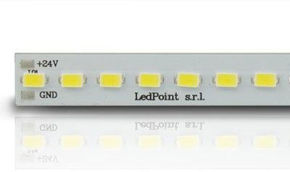
Alongside discrete modules and flexible strips there are rigid LED bars, linear solutions in which the LEDs are mounted on a rigid support, often already equipped with an integrated heat sink. Bars offer advantages in terms of robustness and ease of installation where a straight and structurally stable line of light is needed, such as under kitchen wall units, inside display cases and shelving, or in technical applications where the flexibility of the strip is not necessary. Their robust construction makes them particularly suitable for environments subject to vibrations, where structural rigidity protects components better than a flexible strip. The choice between flexible strip, rigid bar and discrete module always depends on the geometry of the installation and the specific needs of the project, and is one of the first evaluations that an experienced designer addresses.
8. Smart lighting and IoT: connected and predictive systems on board
The apex of the evolution of marine lighting is its full integration into the ship's digital ecosystem. A smart lighting system is not simply a set of lights controllable from an app, but a network of intelligent nodes that communicate with each other and with other on-board systems, reacting autonomously and proactively to environmental conditions and the needs of occupants. It is the point where lighting ceases to be a system and becomes a dynamic, customizable service capable of learning.
Control protocols and system integration
The choice of communication protocol is strategic and depends on the scale and complexity of the system. There is no universally better protocol: there is the right one for each type of vessel and application. The following table compares the three main families.
| Protocol | Ideal Application | Strengths | Typical Scale |
| DALI | Commercial and marine lighting of medium-large size. | Unique address for each driver, granular control, BMS integration. | Cruise ships, large yachts, commercial ships. |
| DMX512 | Dynamic and RGB/RGBW color effects. | Precise control of multiple channels, complex scenography. | Theatrical areas, discos, luminous hull facades. |
| Bluetooth Mesh / Wi-Fi / Zigbee | Residential domotic systems and specific areas. | Control via smartphone or voice (Alexa, Google), simple setup. | Small to medium-sized yachts. |
DALI (Digital Addressable Lighting Interface) is the professional standard: each group of LED drivers has a unique address, allowing granular control of switching on, off, dimming and color temperature on hundreds of zones from a single interface, and integrates perfectly with on-board building automation systems. DMX512 is instead dedicated to dynamic and chromatic effects. Wireless protocols such as Bluetooth Mesh, Wi-Fi and Zigbee are ideal for smaller vessels or specific areas, where ease of installation and voice control count more than scalability.
Automation and intelligent scenarios
True intelligence manifests itself in automation. Presence sensors turn on the light only when someone enters a service room, automatically turning it off after exit. Ambient light sensors adjust the intensity of lights in internal spaces based on the natural light filtering from the portholes, maximizing energy savings. On external decks, spotlights adapt their intensity based on the brightness of the moon or fog conditions, in a continuous dialogue between ship and surrounding environment.
A central system can create presets activatable with a single touch. A "Meeting" scenario fully illuminates the conference room; a "Cinema" scenario turns off ambient lights and activates weak courtesy lighting; a "Good Night" scenario progressively turns off all public lights turning on only safety lights. This ability to respond in a contextual and personalized way is the heart of the intelligent ship, where light anticipates people's needs instead of simply responding to commands.
Integration with the on-board ecosystem and voice control
The value of a smart lighting system grows exponentially when it dialogs with other ship systems. Lighting can integrate with the air conditioning system, motorized curtains, audio-video system and security system, giving rise to coordinated scenarios in which all environmental elements collaborate. An evening scenario can lower the lights, close the curtains, adjust the temperature and start a playlist with a single command; an alarm scenario can turn on all lights to maximum and activate escape route signage.
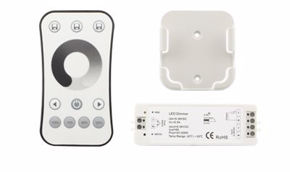
Voice control, through assistants such as Amazon Alexa or Google Assistant, adds a further level of convenience, particularly appreciated in private yachts where the experience must be fluid and frictionless. Being able to adjust the atmosphere of a room with your voice, without looking for switches or apps, is exactly the type of invisible luxury that contemporary shipowners seek. Integration, however, requires careful design and compatible components: this is where the consultancy of an experienced supplier makes the difference between a system that works effortlessly and one that generates continuous frustrations.
Predictive maintenance
A further level of intelligence is predictive maintenance. A connected system can monitor in real time the health status of each driver and each source, signaling the degradation of luminous flux or the imminent end of life of a component before the failure occurs. On a ship, where replacing a light in a hard-to-reach area can mean stopping an activity or mobilizing specialized personnel, the ability to plan interventions instead of suffering them translates into concrete operational savings and in system availability close to 100%.
9. Sustainability and circular economy of on-board lighting
Sustainability in marine lighting goes well beyond energy savings during use. It is a concept that embraces the entire product life cycle, from design to disposal, and has become a powerful choice driver for shipowners and shipyards attentive to their environmental footprint and reputation. In a market where the ecological sensitivity of end users grows year by year, being able to demonstrate the sustainability of the lighting system is also a commercial and brand argument.
Life cycle and green materials
Leading manufacturers are adopting circular economy principles. This means designing modular and repairable products, using recycled materials such as recycled aluminum for heat sinks, or recyclable materials, and eliminating hazardous substances by adhering to RoHS and REACH directives. LCA (Life Cycle Assessment) analysis is increasingly required to quantify the total environmental impact of a product, from raw material to end of life, and is now a requirement in the specifications of the most ambitious projects.
The environmental advantage of durability
The long life of LEDs, between 30,000 and 100,000 hours, is in itself an enormous environmental advantage. Quality LEDs maintain approximately 70% of their initial brightness, the so-called L70 value, even after 50,000 hours of use. This longevity drastically reduces the frequency of replacement, the production of electronic waste WEEE and the consumption of materials. The following table compares technologies in terms of durability and efficiency.
| Technology | Average Useful Life | Relative Efficiency | Environmental Criticalities |
| Incandescent / Halogen | 1,000-2,000 hours | Very low | High consumption, fragility to vibrations. |
| Fluorescent | 8,000-15,000 hours | Medium | Contains mercury, degradation with vibrations. |
| Quality LED | 30,000-100,000 hours | Very high | Recyclable, RoHS/REACH, no mercury. |
On the economic front the numbers are equally eloquent: a complete retrofit on a cruise ship or on a commercial fleet can generate maintenance savings in the order of tens of thousands of euros per year, in addition to the aforementioned energy savings that can reach up to 80% on the lighting chapter alone. Environmental and economic sustainability, in this case, walk in the same direction.
The role of lighting in the ship's environmental rating
As already anticipated in the section dedicated to regulations, lighting contributes directly to the ship's CII rating. Every kilowatt-hour saved on lighting reduces overall consumption and improves the vessel's carbon intensity. On large ships, where lighting represents a significant share of auxiliary electricity consumption, optimization of the lighting system can make the difference between a C rating and a B rating, with concrete implications on the possibility of operating without restrictions.
This connection between lighting and regulatory compliance is transforming the way shipowners evaluate LED investments. It is no longer just about saving on the bill, but about guaranteeing the full operability of the ship in compliance with regulations that become more stringent every year. An investment in efficient lighting is therefore also an investment in business continuity, an aspect that the most astute decision-makers have now fully integrated into their fleet strategies.
Reduction of light pollution
An often overlooked aspect of sustainability is light pollution. Poorly designed external lights waste energy upwards and towards the sea, wasting energy and disturbing marine fauna and birds. Modern LED systems, with precise directional optics and intensity control, allow you to direct the light exactly where needed, reducing dispersion and environmental impact. On external decks, the adoption of warm color temperatures and systems that reduce intensity during night hours contributes to minimizing disturbance to ecosystems, a topic of growing sensitivity especially for vessels that frequent protected marine areas.
10. Practical checklist for choosing marine LED solutions
For designers, shipyards and shipowners it is useful to have a synthetic tool to use in the evaluation phase. The following checklist summarizes the six fundamental criteria to verify before choosing any LED lighting solution for a vessel. Following it drastically reduces the risk of costly design errors such as undersizing the power supply or choosing an inadequate IP rating.
| Criterion | Key Question | What to Check |
| Installation environment | Indoor, outdoor or submerged? | Define the required IP protection rating (IP65, IP67, IP68). |
| Marine certifications | Is the product or drivers certified? | CE, RINA, DNV, Lloyd's Register, UL Marine, SOLAS compliance. |
| Power supply | Compatible with on-board voltage? | 12/24V DC, total power to size cabling and sources. |
| Control and intelligence | Is integration with a control system needed? | DALI, DMX, smart; need for dimming or color adjustment. |
| Light quality | What color rendering and temperature are needed? | CRI >90 for residential interiors, Tunable White range 2700-6500K. |
| Warranty and support | Does the supplier offer warranty and assistance? | Warranty adequate for the marine environment and after-sales technical support. |
Systematically applying this checklist transforms the choice of lighting from a hasty decision to a controlled process. Every ignored item is a potential failure point: a strip with insufficient IP will yield to salt spray, an undersized power supply will overheat, a low CRI will ruin the perception of precious materials. The difference between a system that lasts twenty years and one that needs to be replaced in two almost always lies in these six parameters.
11. LED lighting by segment: yachts, cruise, commercial and shipyard
Marine lighting is not a monolithic theme: needs change radically depending on the type of vessel. A private superyacht, a large cruise ship, a commercial ship and a fishing vessel have profoundly different priorities, budgets and regulatory constraints. Understanding the specifics of each segment is essential to propose truly calibrated solutions and to avoid the mistake of uncritically transferring a solution from one context to another. In this section we analyze the four main segments with their respective lighting priorities.
Superyachts and luxury recreational boating
In the superyacht segment the keyword is experience. The shipowner lives the vessel as a floating residence and demands the same level of refinement as a luxury villa, if not superior. Here lighting must be invisible in its physical presence but protagonist in effect: Tunable White COB strips with very high CRI, Neon Flex for sculptural elements, modules recessed in precious materials and complete home automation control systems. The quality of light admits no compromises: a CRI lower than 90 would distort the perception of expensive materials, a dotted effect would betray the craftsmanship of the whole. In this segment, Human Centric Lighting is now an expected standard, not an optional luxury, because the shipowner and his guests spend prolonged periods on board and psycho-physical well-being is an integral part of the perceived value.
Critical areas of a superyacht include the main salon, where indirect light shapes the space without dazzling; the owner's suites, where circadian control regulates the atmosphere; bathrooms and spas, where IP68 and chromotherapy combine; and outdoor areas such as pool decks and beach clubs, where light creates scenography for evening entertainment. Each area requires a dedicated project, but they all share the need for total integration and centralized control.
Cruise ships
On cruise ships, lighting faces a challenge of scale and diversity. Thousands of passengers, hundreds of cabins, huge public areas such as theaters, restaurants, casinos, pools and promenade decks. Here two worlds coexist: the scenic and atmospheric lighting of public areas, often managed in DMX for dynamic effects, and the functional and safety lighting of corridors, cabins and escape routes, managed in DALI for capillary control. The additional priority is large-scale reliability: with thousands of light points, even a low failure rate translates into continuous maintenance interventions, which is why predictive maintenance and the long useful life of LEDs become decisive for the ship's operating economy.
Commercial and merchant ships
In the commercial segment, from container ships to oil tankers, aesthetics takes a back seat to robustness, safety and regulatory compliance. The priorities are working lighting in engine rooms and holds, deck lighting resistant to extreme conditions, SOLAS emergency signage and consumption reduction for CII rating purposes. Products must withstand intense vibrations, extreme temperatures, potentially corrosive or explosive atmospheres, which in some cases also requires ATEX certifications for risk areas. Durability here is not aesthetic but a matter of safety and operational continuity: a light that fails in a hold during navigation can compromise operations.
Shipyards and refitting
The refitting segment deserves particular attention because it represents a growing share of the market. Many existing vessels are being modernized to comply with new CII regulations or simply to update dated interiors. Lighting retrofit is often the first intervention because it offers the best return on investment ratio: replacing old sources with LEDs immediately cuts consumption and maintenance, while improving the environmental rating. For shipyards the challenge is to integrate new technologies into structures designed for obsolete systems, which requires flexible products, accurate technical consultancy and sometimes custom solutions.
12. The seven most common mistakes in marine lighting (and how to avoid them)
In our field experience we have observed that most marine lighting problems do not derive from defective products, but from design and installation errors that could have been avoided. Knowing the most frequent traps in advance is the best way not to fall into them. Here are the seven errors we see repeating most often, with the relative solutions.
| Error | Consequence | Solution |
| 1. Insufficient IP rating | Premature corrosion, infiltration, failures in a few months. | Choose IP68 for outdoor/submerged, IP67 for splash zones. |
| 2. Undersized power supply | Overheating, voltage drops, reduced useful life. | Calculate total power with 20-30% margin. |
| 3. Neglected thermal dissipation | Rapid flux degradation, color change. | Use aluminum profiles as heat sinks, avoid blind recesses. |
| 4. Too low CRI | Precious materials perceived as dull or distorted. | Require CRI >90 for all residential environments. |
| 5. Cheap materials (PVC) | Yellowing from UV, loss of transparency, fragility. | Prefer quality silicone encapsulation. |
| 6. Inadequate control protocol | Non-scalable system, integration difficulties. | Choose DALI for large systems, wireless for small ones. |
| 7. Lack of certifications | Risk of non-compliance and problems during classification. | Verify CE, RINA, DNV, Lloyd's, SOLAS compliance. |
The common thread of these errors is almost always the same: the product is chosen by looking at the price instead of the correct specification for the environment. In a residential setting, an error of this type translates into an annoyance; in a marine setting it translates into failures, high replacement costs due to difficult accessibility, and sometimes safety or regulatory compliance problems. Relying on a supplier who knows the sector deeply and who knows how to advise the right specification, not just the cheapest product, is the first step to avoid all seven of these errors.
13. Economic analysis: how cost-effective LED really is in marine applications
Beyond aesthetic and regulatory benefits, the choice of LED lighting must be evaluated with a rigorous economic approach. Many shipowners and shipyards focus on the initial purchase cost, which for a quality LED is higher compared to alternatives, without considering the total cost of ownership (TCO) over the entire life cycle. It is precisely in the TCO that the LED demonstrates its overwhelming superiority, as the following analysis shows.
Let's consider a typical case: a lighting system for a medium-sized vessel with 200 light points. Let's compare the hypothesis of a traditional halogen system with a quality LED system over a ten-year horizon, including energy consumption, replacements and maintenance.
| Cost item (10 years, 200 light points) | Halogen system | LED system |
| Energy consumption | Very high (reference 100%) | Reduced up to 80% compared to halogen |
| Number of replacements | Frequent (life 1,000-2,000 h) | Rare or none (life 30,000-100,000 h) |
| Maintenance labor cost | High (difficult access, downtime) | Minimal |
| Impact on CII rating | Negative | Positive |
| Total cost of ownership | High | Significantly lower |
The economic conclusion is unequivocal: although the initial cost of LED is higher, the total cost of ownership is significantly lower thanks to lower consumption, very rare replacements and the drastic reduction in maintenance labor. On a commercial fleet, annual savings can reach tens of thousands of euros, while on a private yacht the advantage is also measured in comfort, reliability and vessel resale value. To this is added the indirect but increasingly relevant benefit of improved environmental rating, which for commercial ships is transforming from a reputational issue to an operational constraint with direct economic impacts.
The return on investment (ROI) of an LED retrofit in marine applications is typically located in a horizon of a few years, after which the system continues to generate net savings for its entire long residual life. It is one of the rare cases where the technically best choice coincides with the most economically convenient one and with the most sustainable one: a virtuous alignment that makes the decision, all things considered, almost mandatory.
14. Towards 2030: MicroLED, OLED and the sensory ship
The trends of 2025-2026 depict a future in which lighting on the ship will be completely indistinguishable from architecture, deeply connected with human well-being and operating systems, and radically efficient. LED technology, in its most advanced forms such as COB and Neon Flex, is the raw material of this transformation. But research does not stop, and the coming years will see the affirmation of even more disruptive technologies that will redefine what it means to illuminate a space on board.
MicroLED: unprecedented control granularity
MicroLED technology promises a granularity of control never seen before. With microscopic-sized diodes groupable into ultra-high density matrices, it will be possible to transform entire surfaces into luminous screens capable of varying color, intensity and even displaying content pixel by pixel. On a ship this means walls and ceilings that become dynamic visual interfaces, capable of simulating landscapes, moving starry skies or adaptive signage, all while maintaining the energy efficiency characteristic of LEDs.
OLED and bio-based materials
OLEDs (Organic Light Emitting Diode) introduce the possibility of flexible, ultra-thin luminous surfaces with diffuse emission, perfect for soft, glare-free lighting. In parallel, research on organic and bio-based materials aims to further reduce the environmental footprint of products, in line with the circular economy principles already discussed. These materials will pave the way for luminous solutions that can be shaped like fabrics or applied as films, multiplying the expressive possibilities of marine designers.
Light as a human-machine interface
The bottom line is clear: lighting will increasingly become a human-machine interface, capable of communicating information on the status of the ship or visually guiding people in case of emergency. Let's imagine LED strips along corridors that, in case of alarm, color and pulse indicating the direction of the safest escape route, or lights that change tone to signal a change in operating conditions. In this scenario, light does not just illuminate: it communicates, guides and protects. To successfully navigate this future, collaboration between designers, shipyards and technology suppliers will not be an option, but a necessity.
15. Why choose Ledpoint as a technology partner
Ledpoint.it positions itself as a reference technology partner for the marine sector, not as a simple component supplier. Participation in sector trade fairs such as Metstrade provides a privileged observatory on trends and a direct channel with the protagonists of the world of design and shipbuilding. This constant presence in the field translates into updated knowledge of the real needs of shipowners, lighting designers and shipyards, and in an ability to anticipate requests instead of chasing them.
Our offering for the ship of the future is articulated on three complementary pillars, designed to accompany the customer throughout the journey, from design to installation.
Specialized and certified products
We provide IP67 LED strips, modules and polyurethane Neon Flex designed and tested to withstand the most severe marine conditions, accompanied by the necessary technical and compliance documentation. Each product intended for the marine environment is selected to resist salt spray, humidity, vibrations and UV rays, guaranteeing the longevity that this sector demands.
Technical and design consultancy
Our team supports lighting designers, naval architects and shipyards in selecting the optimal solution, technical integration and installation planning, helping to avoid common mistakes such as undersizing the power supply or poor heat dissipation. Consultancy is not an accessory service but the heart of our approach: we believe that an excellent product poorly installed gives mediocre results, and that it is our task to transfer expertise as well as components.
Custom tailor-made solutions
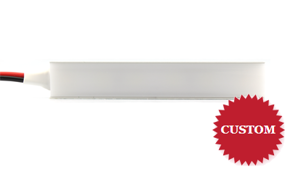
For high-end projects we can develop custom solutions in terms of lengths, diode densities, color temperatures and shapes, ensuring that the designer's vision becomes reality without compromises. When the standard catalog is not enough, our customization capability allows us to realize exactly what the project requires, from the custom profile to the color temperature calibrated on the material it must illuminate.
The ship of the future will be sensory, sustainable and intelligent. Ledpoint is ready to accompany shipyards, shipowners and designers in this transition, making available products, expertise and vision. Because light, on board, is no longer a detail: it is the soul of the space.
16. Frequently asked questions about LED nautical lighting
We collect here the most frequent questions we receive from shipowners, shipyards and designers on the topic of marine LED lighting. The concise answers offer an immediate reference to the most common doubts; for technical in-depth analysis our team remains available.
What IP protection rating is recommended for LED strips on a ship?For humid interiors such as bathrooms and kitchens, IP65 is sufficient. For areas exposed to splashes or showers, IP67 is required, while for outdoor installations, below deck or subject to temporary immersion, IP68 is essential. Choosing the correct IP rating is the first criterion for reliability in a salty marine environment. |
How much can you save by replacing traditional lighting with LEDs on a ship?Switching from halogens or fluorescents to high-efficiency LEDs reduces lighting energy consumption by up to 80%. On a cruise ship or commercial fleet, a complete retrofit generates maintenance savings in the order of tens of thousands of euros per year, in addition to bill savings and CII rating improvement. |
What is Human Centric Lighting on a yacht?Human Centric Lighting (HCL) or circadian lighting uses Tunable White LEDs from 1800K to 6500K to simulate the natural cycle of sunlight. In the morning it delivers cool, bright light (5000-6500K) to promote awakening, in the evening warm light (2700-3000K) for rest, improving crew well-being and performance. |
What marine certifications must LED lighting for ships have?Professional solutions for marine use must have CE marking and, depending on the application, certifications from classification societies such as RINA, DNV, Lloyd's Register or UL Marine, in addition to SOLAS compliance for emergency lighting and escape route signage. |
How long do LEDs used in marine lighting last?Quality LEDs reach a useful life between 30,000 and 100,000 hours, maintaining approximately 70% of initial luminous flux (L70 value) even after 50,000 hours. This longevity drastically reduces technical downtime, replacement costs and WEEE waste production. |
What is the difference between COB and SMD LED strips for luxury interiors?COB (Chip-on-Board) LED strips have a density of 500-1000 chips per meter and eliminate the dotted effect typical of SMDs, generating a continuous and homogeneous line of light. They are the standard for invisible architectural lighting in high-end yacht interiors. |
Which control protocol should you choose for smart ship lighting?For medium to large marine installations, the standard is DALI, which allows granular control of hundreds of zones and integrates with building automation systems. DMX512 is ideal for dynamic RGB/RGBW effects, while Bluetooth Mesh, Wi-Fi and Zigbee are suitable for small to medium-sized yachts. |
What are the trends in marine lighting for 2025-2026?The main trends are invisible and architectural lighting with COB strips, circadian Human Centric Lighting, IoT integration with automation and scenarios, sustainability with circular economy and recycled materials, and Neon Flex for sculptural lines and customized illuminated logos. |
Light as the soul of the ship of the future
At the end of this overview, a coherent picture emerges clearly. LED nautical lighting between 2025 and 2026 is no longer a system detail but a design discipline in its own right, in which aesthetics, technology, human well-being, sustainability and regulatory compliance converge. The push of IMO regulations, the evolution of shipowners' expectations and the technological maturity of LEDs have transformed light from a passive service to an intelligent system, capable of adapting, communicating and improving life on board.
The trends we have analyzed, from invisible and architectural lighting to Human Centric Lighting, from IoT integration to the sustainability of the circular economy, are not passing fads but structural directions that will continue to consolidate in the years to come. Those who design and build vessels today must integrate this knowledge from the early stages, because poorly conceived lighting is difficult and expensive to correct afterwards, while well-designed lighting becomes a lasting value that accompanies the ship throughout its life.
The final message is simple: light, on board, is no longer an accessory but the soul of the space. Designing it with competence, choosing products adequate for the marine environment and relying on an experienced partner are the three conditions to successfully navigate towards the ship of the future. Ledpoint is ready to accompany shipyards, shipowners, lighting designers and naval architects on this journey, making available certified products, technical consultancy and customization capabilities at the service of every project, from the small yacht to the large cruise ship.