














What is an IP code?
Mittwoch, 17. Februar 2021
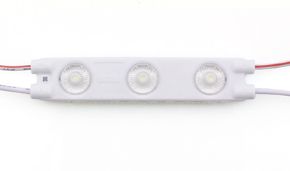
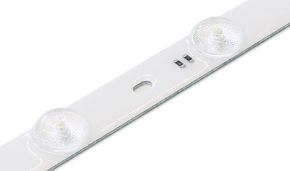
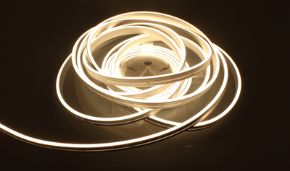
The IP code refers to the degree of protection of LED strips against foreign bodies and water.
The numbers that follow the IP each have a specific meaning: the first number refers to the protection against solids such as parts of the body and dust, the second number refers to the protection against moisture and water.
LED strips feature several kinds of protections but in this article we will describe just few of them: IP20, IP53, IP64, IP65 and IP67.
- IP20: no waterproof LED strips but protected against a solid object greater than 12mm.
- IP53: LED strips with epoxy resin or silicone glue, they are protected against dust and can be exposed to diagonally falling (up to 60°) sprays of water.
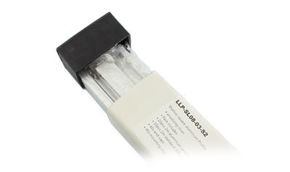
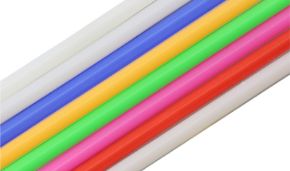
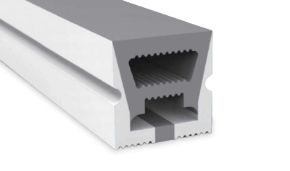
- IP64 (extruded silicone tube with full edges and empty inside): LED strips with extruded silicone coating, they are protected against dust and every small solid object and against water splashed from all directions.
- IP65 parylene: LED strips with a gas invisible coating on their surface (10 Um thick), they are protected against dust and can be exposed to water splashed from all directions. Parylene coating cannot be directly exposed to UV rays action.
- IP67 parylene: LED strips with a gas invisible coating on their surface (24 Um thick), they are protected against dust and can be temporarily submerged in the water. Parylene coating cannot be directly exposed to UV rays action.
- IP67 (extruded silicone tube): LED strips with completely extruded silicone tube, they are protected against dust and every small solid object and can be temporarily submerged in the water.
The following table explains how to read the IP code.
| Protection against solid objects | Protection against water | ||
| IP | Descrizione | IP | Descrizione |
| 0 | None | 0 | None |
| 1 | Protection against solid objects greater than 50 mm | 1 | Protection against vertically falling drops of water |
| 2 | Protection against solid objects greater than 12 mm | 2 | Protection against diagonally falling (up to 15°) drops of water |
| 3 | Protection against solid objects greater than 2,5 mm | 3 | Protection against diagonally falling (up to 60°) drops of water |
| 4 | Protection against solid objects greater than 1 mm | 4 | Protection against water splashed from all directions |
| 5 | Partial protection against dust (ingress of dust is not entirely prevented, but it is not remarkable) | 5 | Protection against water jets from all directions |
| 6 | Complete protection against dust and solid objects | 6 | Protection against powerful water jets |
| 7 | Protection against temporary immersion | ||
| 8 | Protection against continuous immersion | ||
For further information check the table with with the available IP protections.